Network4Work: Field Notes from Sarajevo and Stara Zagora
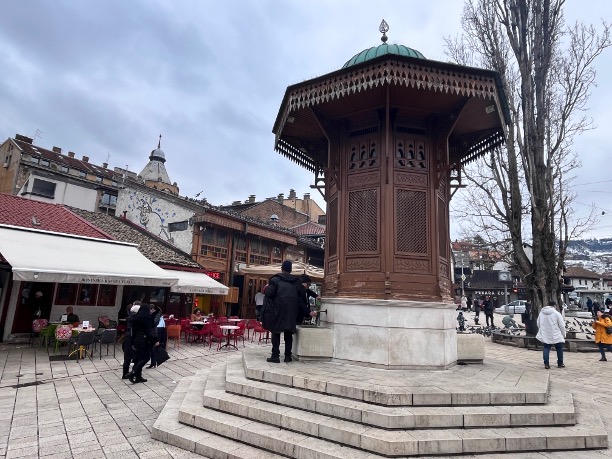
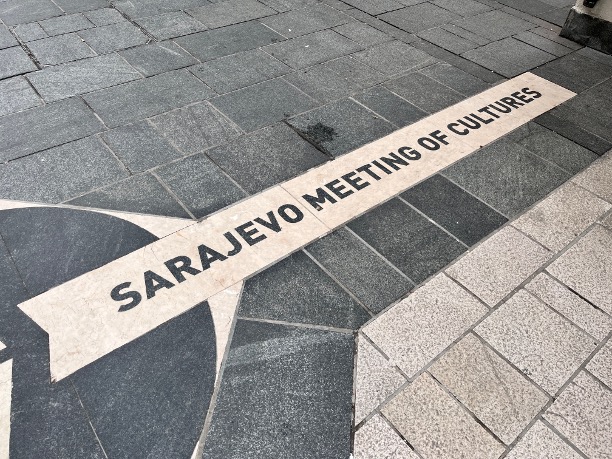
Early spring has spread its magic. In both Sarajevo Canton (BA) and Stara Zagora (BG), the landscapes reflected a quiet transition—snow still visible on distant mountain tops, while in the cities themselves, the first green buds were beginning to open. It was a reminder that transformation rarely happens all at once, but rather in layers—much like the labour markets we came to explore.
As part of the URBACT Transfer Network – Network2Work, the visits to both cities followed an intense yet energising format. Each meeting lasted a day and a half, unfolding almost like a “speed-dating” exercise between institutions, experts, and local stakeholders. Conversations moved quickly from one perspective to another—public officials, employment services, educators—each adding a piece to a much larger puzzle.
What stood out immediately was the openness and hospitality of the hosts. In Stara Zagora, the city representatives welcomed discussions with a strong sense of pride and responsibility for the changes ahead. In Sarajevo, the team from SERDA brought both structure and warmth to the process, guiding conversations with a clear understanding of the region’s complexity.
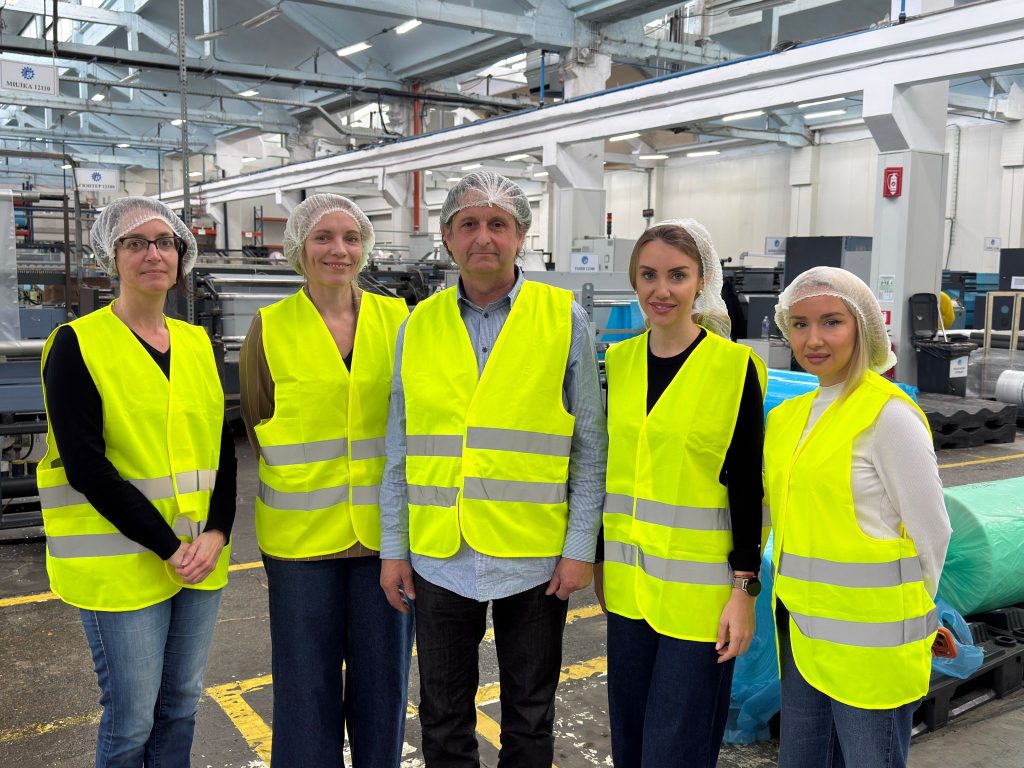
This openness extended beyond meeting rooms. Doors to factories, workshops, and workplaces were quite literally opened, offering a direct glimpse into the realities behind the statistics. Employers spoke not only about their needs, but also about the challenges they face in attracting and retaining workers. These exchanges brought a level of authenticity that cannot be captured through reports alone.
Both places, rich in culture and history, offered more than just insights—they offered context.
At first glance, the labour market challenges in these two locations echo a familiar European narrative: employers struggle to find workers, while unemployment of some groups persists. But sitting in those rooms, moving from one meeting to another, it became clear that the issue is far more nuanced.
In Sarajevo Canton, the challenge is deeply embedded in the system itself. Education pathways, labour market needs, and institutional responsibilities do not always connect seamlessly. While universities continue to produce graduates in well-established fields, employers are searching for different profiles—technical skills, specialised competencies, and practical experience. At the same time, participation in training and employment programmes remains lower than expected, prompting questions not only about skills, but also about motivation and expectations of the “dormant workforce”.
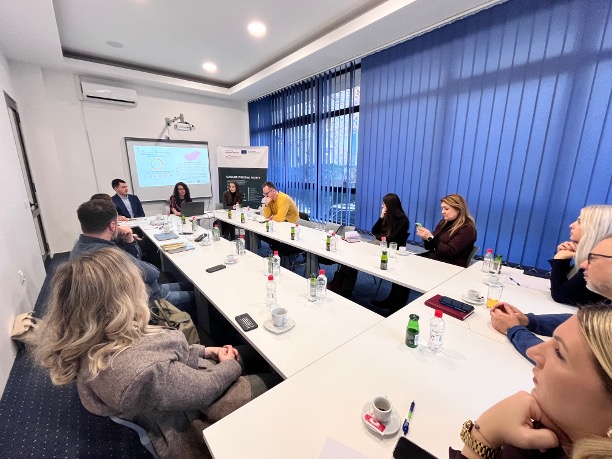
In Stara Zagora, the dynamic is shaped by transition. The region, long associated with energy production, is now facing a gradual shift away from coal. This brings both urgency and opportunity. While thousands of jobs may be affected in the coming years, companies are already struggling to fill positions today. Conversations with employers revealed a paradox: vacancies exist, incentives are offered, yet recruitment remains difficult.
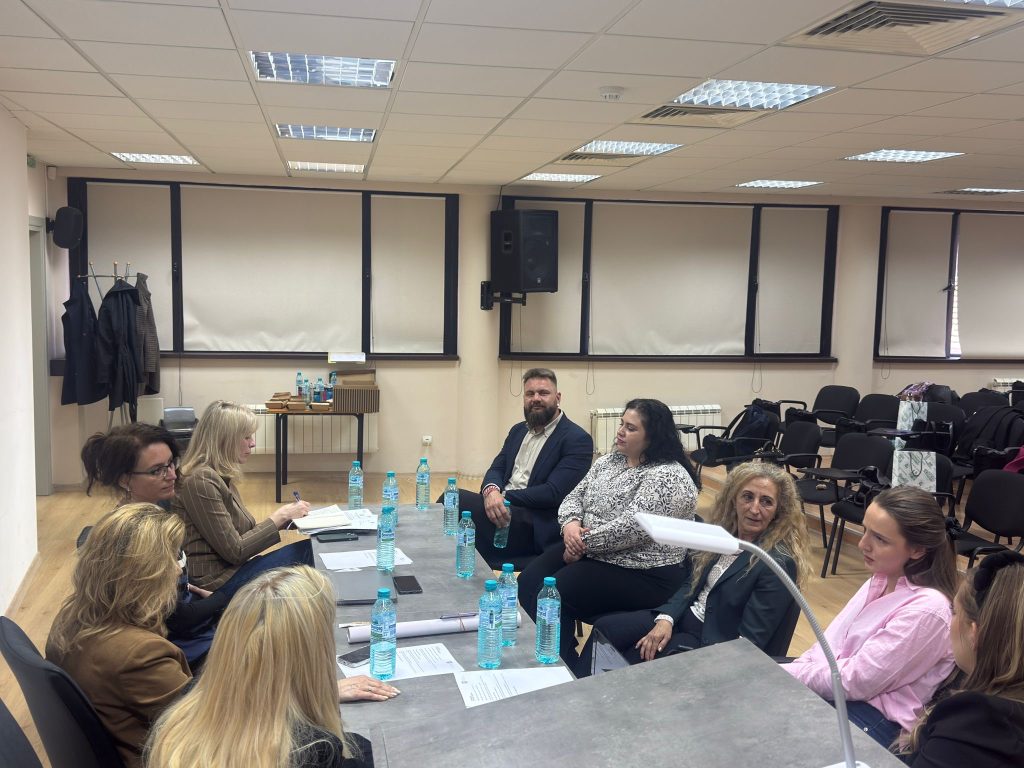
Across both cities, one theme repeatedly surfaced during discussions—the changing role of people in the labour market. Young people, in particular, are no longer following predictable paths. They are more mobile, more selective, and often less willing to engage in sectors that do not align with their expectations of work and life. Meanwhile, older workers and long-term unemployed groups face different, but equally complex barriers.
Yet what makes these stories compelling is not the challenge itself, but the way both cities are responding to it.
Through the Network2Work project, Sarajevo and Stara Zagora are not simply diagnosing problems—they are actively rethinking how their local systems function. The rapid exchange of perspectives during the meetings revealed a shared willingness to move beyond assumptions and towards more grounded, practical solutions. Whether through better coordination between institutions, improved understanding of target groups, or new approaches to connecting people with jobs, the focus is shifting toward action.
The “speed-dating” format of the meetings, intense as it was, perhaps symbolises this moment best. Quick exchanges, multiple viewpoints, and a sense of urgency—but also energy, curiosity, and openness to change.
What emerges from these visits is a sense that labour market mismatch is not a static problem, but a moving target. And like the early spring landscapes of Sarajevo and Stara Zagora, it is a system in transition—where old structures are still visible, but new possibilities are already beginning to take shape.
Through collaboration, reflection, and experimentation, these cities are not just reacting to change. They are learning how to shape it.