

Danube meets Scandinavia: Lessons from the Champions
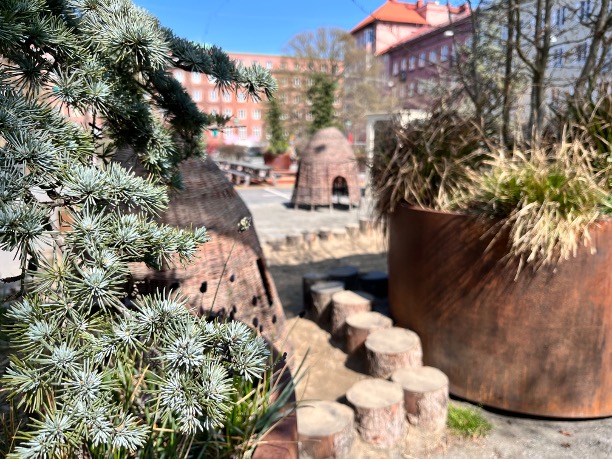
This April, a group of decision-makers from 10 cities across the Danube region came together for a study visit to Copenhagen, Malmö, and Lund. What we experienced there was not just a set of good practices, but a fundamentally different way of thinking about cities—one that connects mobility, urban planning, wellbeing, and long-term efficiency.
One of the strongest impressions from Malmö is how clearly the city understands the real cost of traffic. When we talk about driving, we often think in terms of personal expenses—fuel, maintenance, or the price of a vehicle. But the much larger cost is what cities and taxpayers carry: infrastructure, congestion management, pollution, and public space consumed by cars. Malmö’s approach is simple but powerful—if we address traffic issues today, we avoid much higher costs tomorrow.
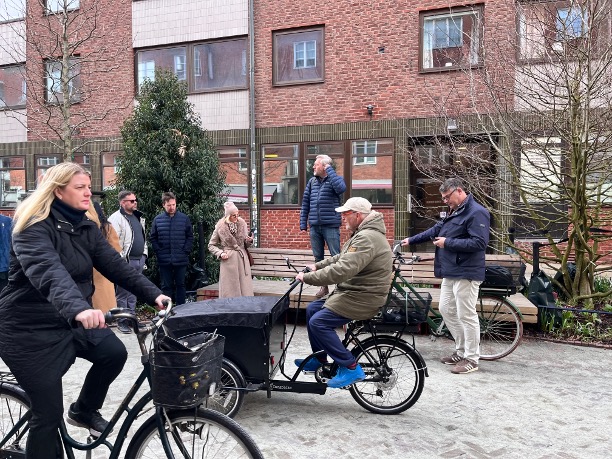
What makes this even more compelling is that the number of cars in Malmö has remained roughly the same since 2007, even though the population has grown. This shows that change is possible. It is not about restricting mobility, but about offering better choices. People are willing to reduce car use—but only when real alternatives exist.
This leads to a broader shift in perspective that was visible across all three cities: the future is not about owning a car, but about having access to mobility. Everyone should be able to use a car when needed, but that does not mean they need to own one or rely on it every day. This shift opens the door to more flexible, efficient, and inclusive systems.
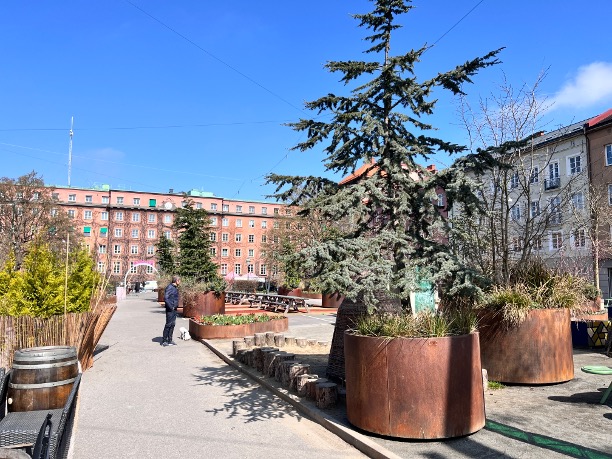
Urban planning plays a crucial role in making this transition happen. In Malmö, planning is not just about responding to existing behaviour—it is a tool to actively shape it. When streets are redesigned, they are not changed symbolically. Investments AND pilots are visible and meaningful. Instead of adding a single tree, entire rows are planted. The message is clear: the city is changing, and it is doing so for people.
At the same time, Malmö demonstrates that a city can remain accessible by car without becoming car-oriented. This distinction is essential. Accessibility does not have to mean prioritising cars above all else.
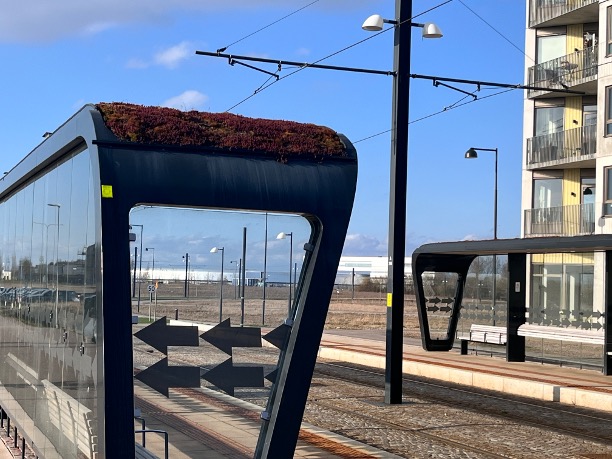
Another important insight relates to something many cities take for granted: parking. The cost of building parking spaces is often hidden within housing prices, meaning that even people who do not own cars are paying for car infrastructure. This raises a critical question for the future—do we really want to continue embedding these costs into our cities and homes?
Beyond mobility, Malmö also shows how urban planning can directly support mental health and wellbeing. A particularly striking principle is that every new apartment should offer a meaningful view—whether of the sea, greenery, or art. This is not just about aesthetics. It shapes how people feel in their everyday lives, influencing stress levels, satisfaction, and overall quality of life.
In Copenhagen, another layer of this thinking becomes visible. Cycling is not treated as a separate topic or a niche mode of transport—it is fully integrated into the way the city functions. It is part of daily life, part of planning, and part of the culture. When mobility systems are designed thoughtfully, they do more than move people efficiently. They reduce stress, improve health, and create more vibrant communities.
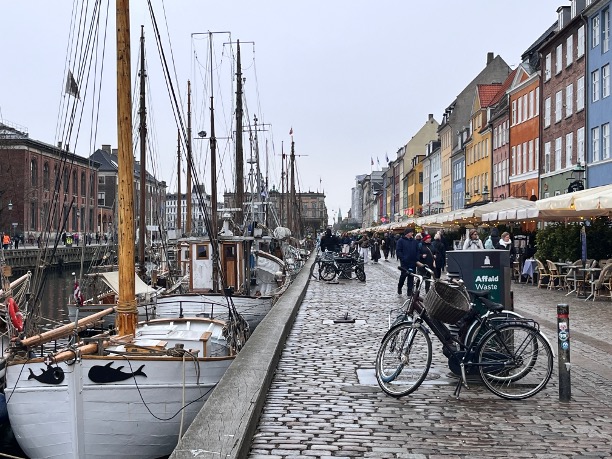
One of the most refreshing messages we heard both in Copenhagen and Malmö was simple: they are not afraid to make mistakes. There is a strong culture of trying, testing, and improving. Instead of waiting for perfect solutions, they move forward, learn, and adapt. This willingness to experiment is what allows real progress to happen.
For cities in the Danube region, these lessons are highly relevant. Investing in sustainable mobility, designing visible and meaningful public spaces, prioritizing access over ownership, and using planning as a tool to shape behavior are not abstract ideas—they are practical steps toward more resilient and human-centered cities.
At the same time, it is important to acknowledge that not every city has the same capacity to experiment. Many cities in the Danube region operate under tighter financial constraints and cannot afford to learn solely through their own trial and error. This is precisely why study visits like this matter. By observing the successes—and equally the failures—of cities like Copenhagen, Malmö, and Lund, others can move forward more confidently, avoiding costly mistakes and accelerating progress.
In that sense, these leading cities are not just examples: they are partners in the learning process.
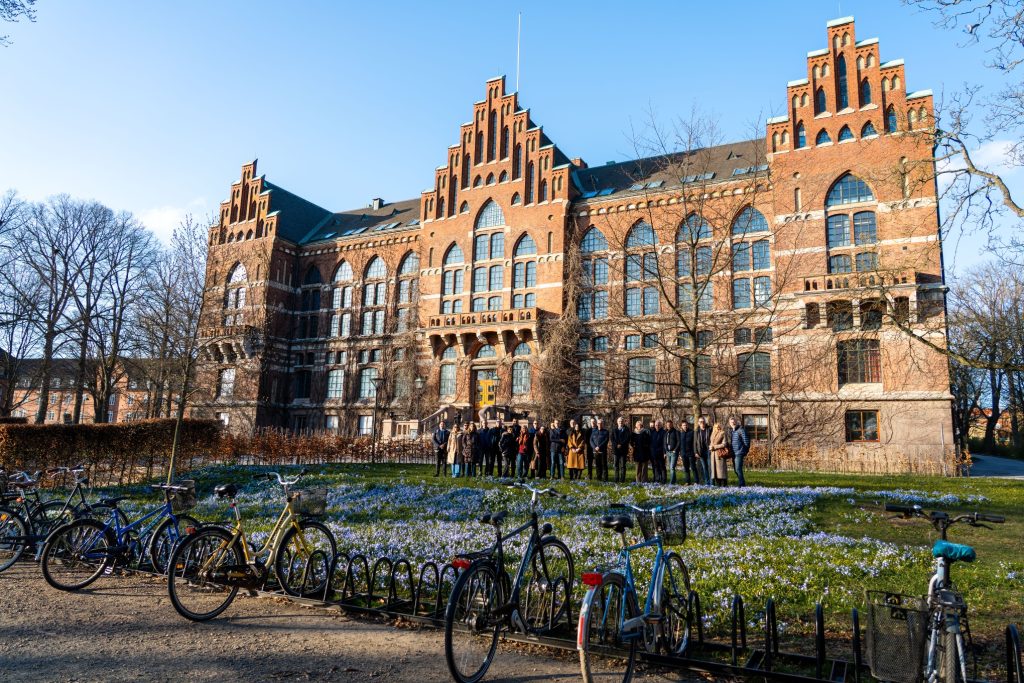
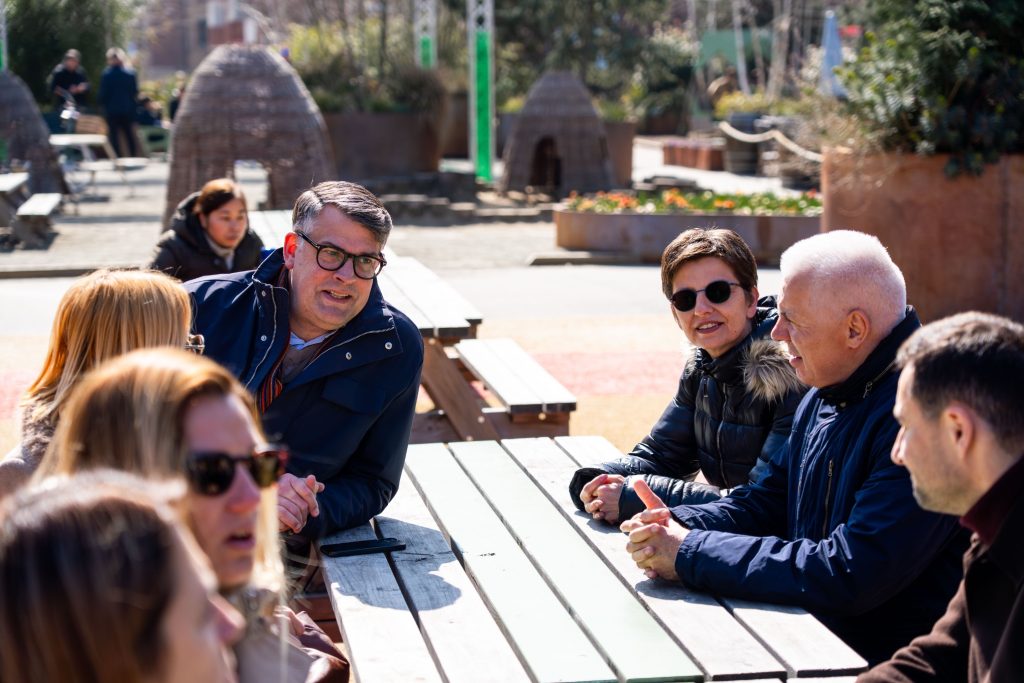
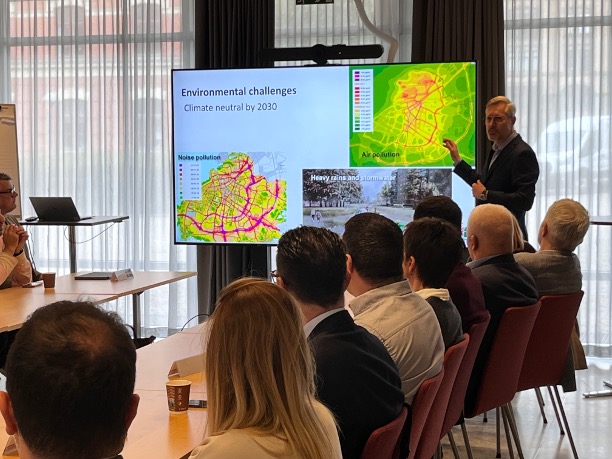
This study visit was organised within the Citywalk 2.0 project, funded by the Interreg Danube Transnational Programme.