
Women for Impact: A Week in Tuheljske Toplice
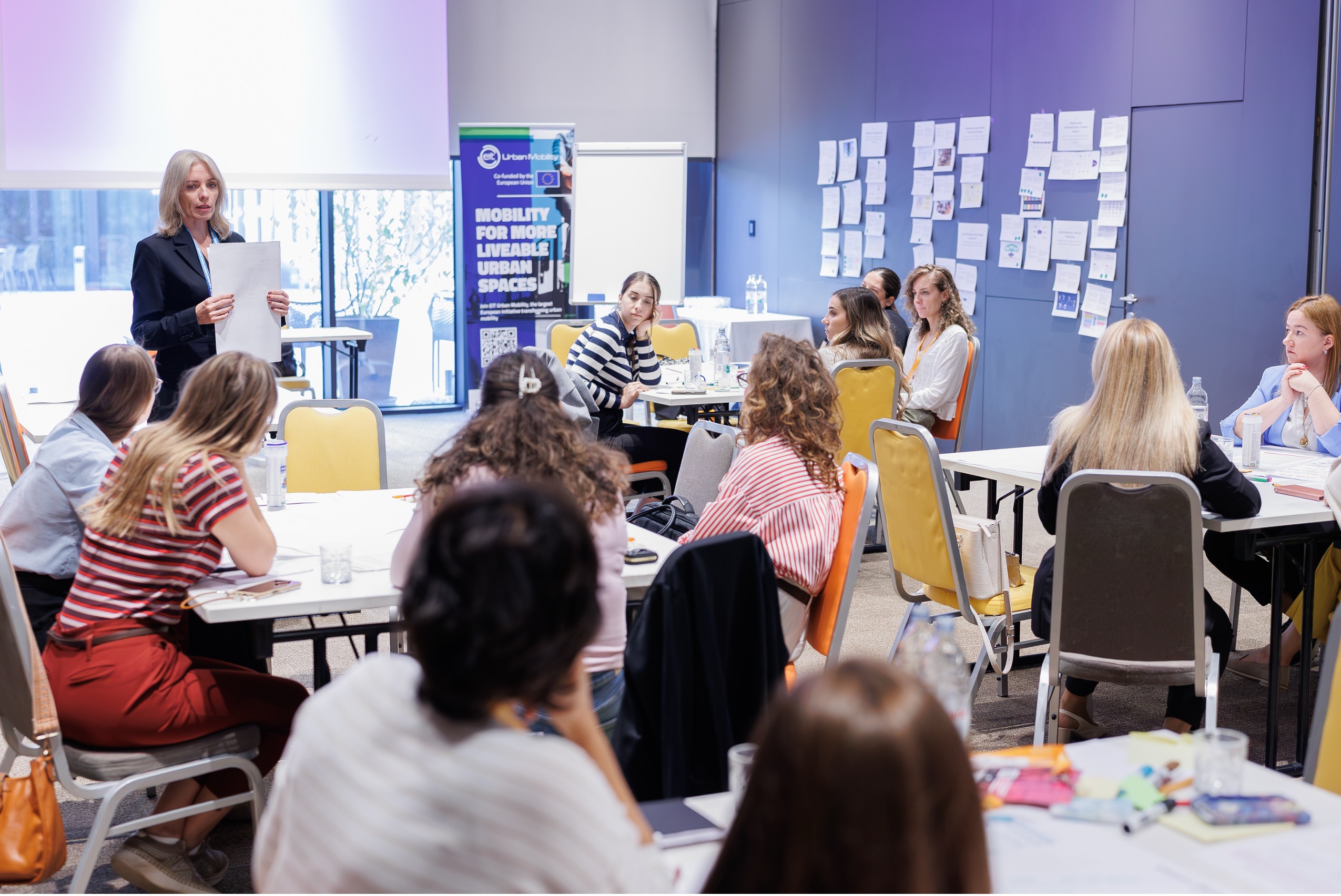
The beginning of this year’s second Women for Impact programme cycle exceeded our expectations. Over five days in the Zagorje region of Croatia, our participants learned, worked, had fun, and built an international network of women who are genuinely ready and willing to take the initiative in developing meaningful projects, programmes, and collaborations at both local and European levels.
Although we entered the second cycle with the experience gained from the first, it became clear once again that every group brings its own dynamics, energy, knowledge, and experiences. What makes this programme special is not only the topics we explore or the methods we use, but above all, the women who take part in it: their willingness to share experiences, openness to new ideas, and desire to create something valuable together.
Five Days of Learning, Experimentation, and Collaboration
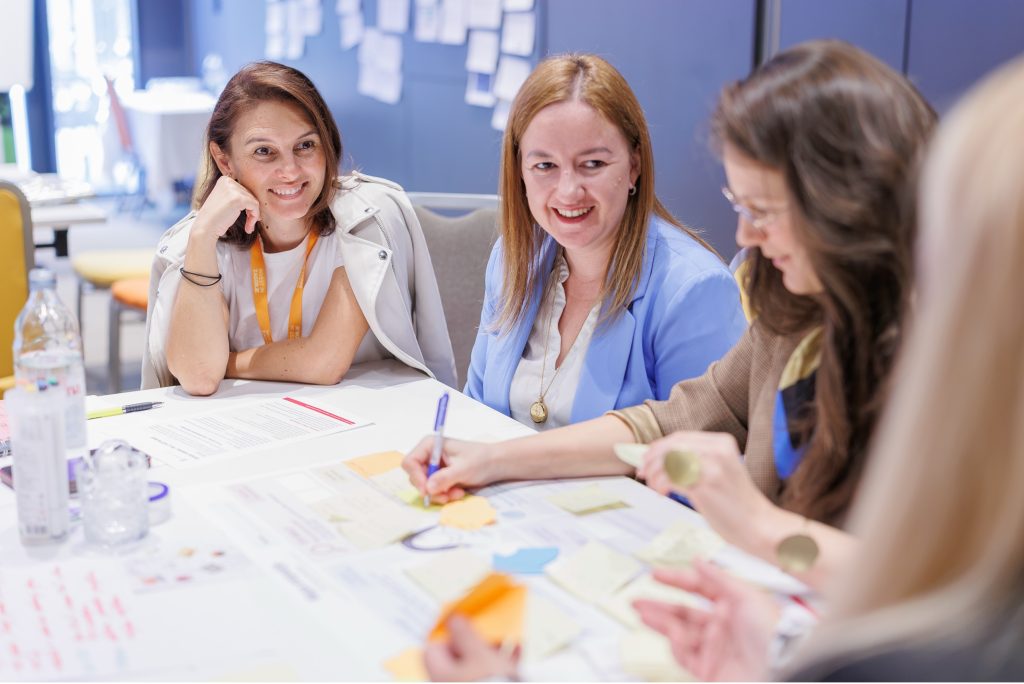
The first week of the programme was designed to give participants an opportunity to develop personal and professional competencies, explore practical tools for designing and implementing initiatives, and reflect on their own roles in driving positive change in their communities. Our goal was not simply to transfer knowledge, but to create an environment where that knowledge could be immediately tested, questioned, and connected to real-life and professional experiences.
The first day focused on leadership, personal strengths, and getting to know one another. Through discussions, individual exercises, and team activities, participants explored what it means to be a leader, how to recognise and build on their strengths, and how to develop relationships based on trust, collaboration, and mutual support. Particular attention was given to understanding different perspectives and the importance of feedback, as well as resilience and the ability to adapt to situations that take us beyond our comfort zones.
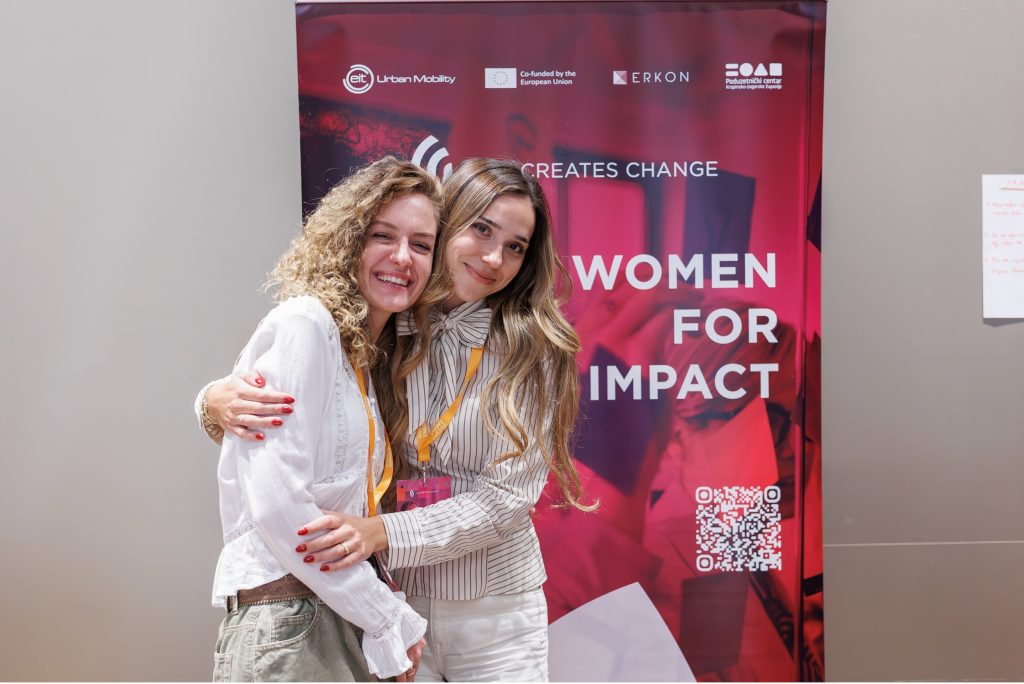
The second day was dedicated to creativity and the Design Thinking methodology. In an intensive one-day process, participants experienced all the key stages of Design Thinking, from understanding users’ needs and defining problems to generating ideas, developing solutions, and presenting their results. Working in teams, they took on the roles of different organisations and tackled challenges reflecting real social, environmental, and economic needs. The objective was not to find one correct or perfect solution, but to learn how to approach problems from different perspectives, identify their underlying causes, challenge assumptions, and develop ideas that respond to people’s actual needs.
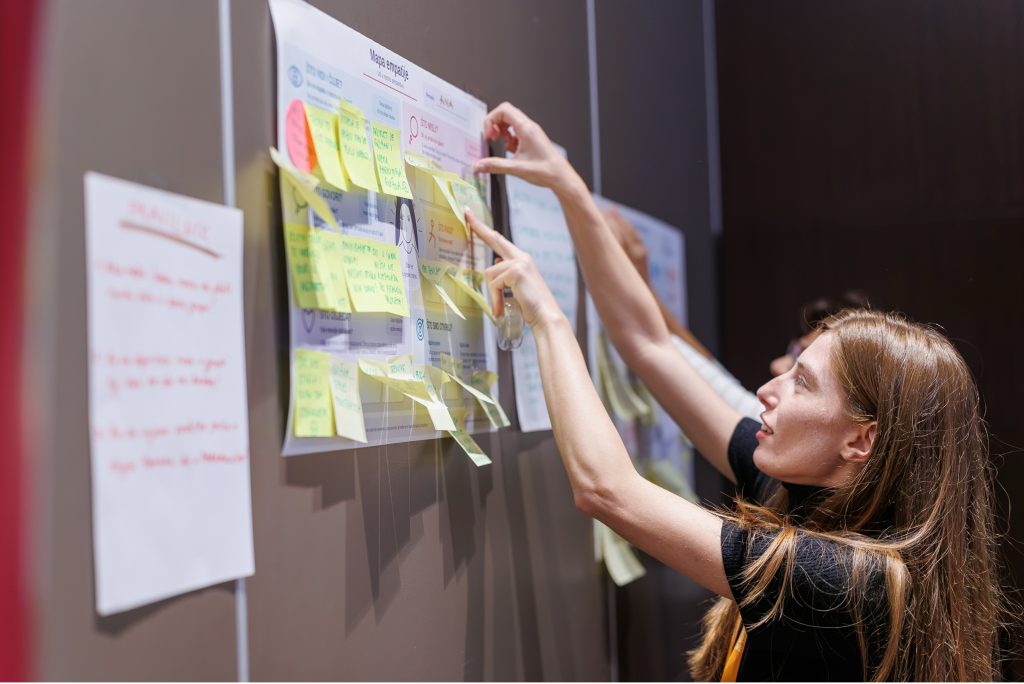
On the third day, guided by the Krapina-Zagorje County Entrepreneurship Centre, we explored entrepreneurial thinking, communication, and presentation skills. We discussed what it means to take initiative, recognise opportunities, and turn ideas into concrete action. Entrepreneurial thinking was not presented solely in the context of starting a business, but as a set of competencies equally valuable in the public, private, and civil society sectors. We paid particular attention to communication and different communication styles. Through team games and simulations, participants experienced how different approaches to communication influence decision-making, mutual understanding, and collaboration. They learned to recognise their own communication patterns, better understand the behaviour of others, and adapt their approach to different people and situations. We also explored how to present an idea effectively, communicate its value, and inspire others to collaborate. After all, a good idea alone is not enough if we cannot communicate it clearly to those who could help us make it happen.
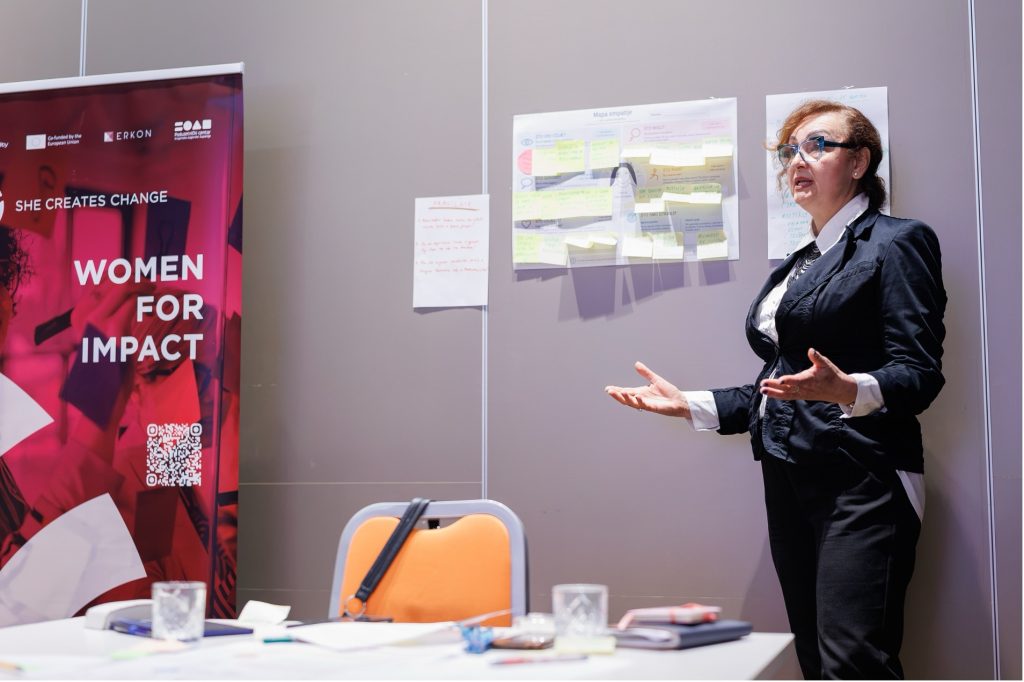
The fourth day opened discussions on sustainability, sustainable urban development, and mobility. Participants reflected together on the cities and communities they would like to see in the future. Their visions went far beyond environmental concerns, encompassing quality of life, access to services, safety, inclusion, public spaces, mobility, and opportunities for citizens to participate in shaping their surroundings. We discussed how everyday decisions about urban spaces, transport, and resource use are connected to social equality and quality of life, and why sustainability cannot be considered separately from people’s needs. Through examples and case studies, participants also analysed situations in which seemingly positive initiatives can produce unexpected or undesirable consequences. The aim was to encourage critical thinking and demonstrate the importance of a holistic approach to project planning.
The fifth day provided an opportunity to bring together everything learned and prepare for the next stage of the programme. We reflected on the experiences of the previous days, discussed new knowledge and personal insights, and introduced the assignments awaiting participants in the following phase. Special emphasis was placed on transferring what had been learned into everyday life and work, because the true value of a programme like this becomes evident when new knowledge starts being put into practice.
From Personal Development to Community Change
One of the fundamental ideas behind Women for Impact is that change does not necessarily begin with large projects, substantial financial resources, or complex strategies. It often starts with noticing a problem that others overlook, asking the right question, or bringing together a few people who are willing to act.
That is why, following the intensive week in Tuheljske Toplice, participants will continue working on assignments that encourage them to observe their own communities more closely, just as the participants of the first cycle did. Through observation journals, they will identify specific needs, challenges, and opportunities for improvement, particularly those affecting the everyday lives of women and other community members.
The next step will involve teamwork on action plans. Participants will select the issues they want to address, explore their underlying causes, define objectives, and design realistic activities that can contribute to positive change. In doing so, they will apply the tools and methods introduced during the programme, from understanding users’ needs and creative problem-solving to activity planning, communication, and teamwork.
We do not expect perfect solutions. Instead, we want participants to develop the ability to recognise opportunities for action, the confidence to launch initiatives, and an understanding of how a good idea can be transformed into an achievable plan.
A Growing Network of Women
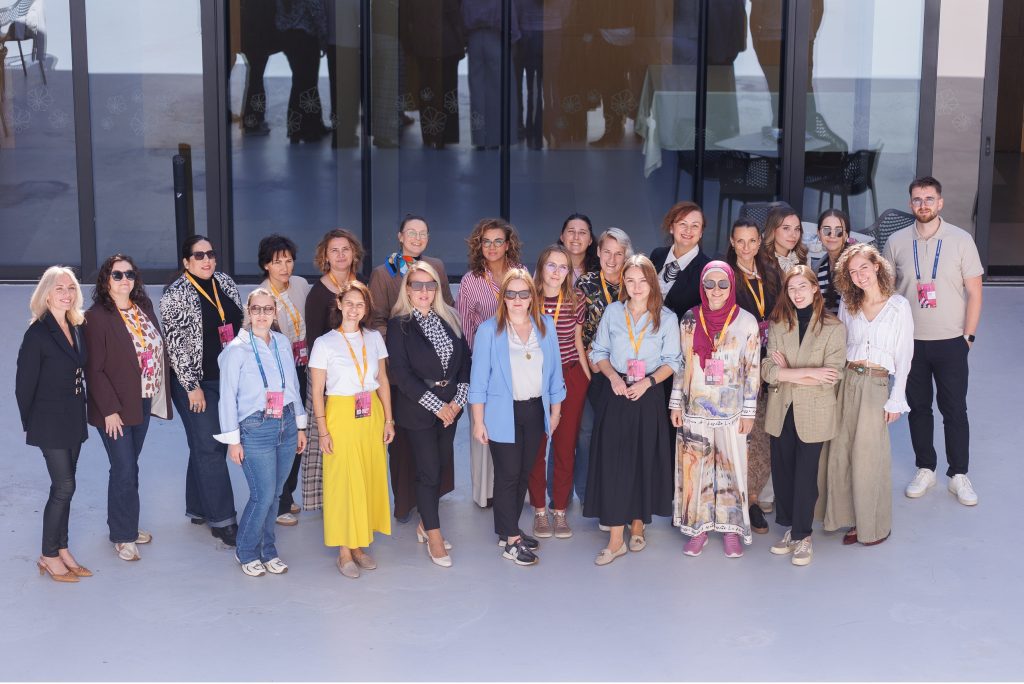
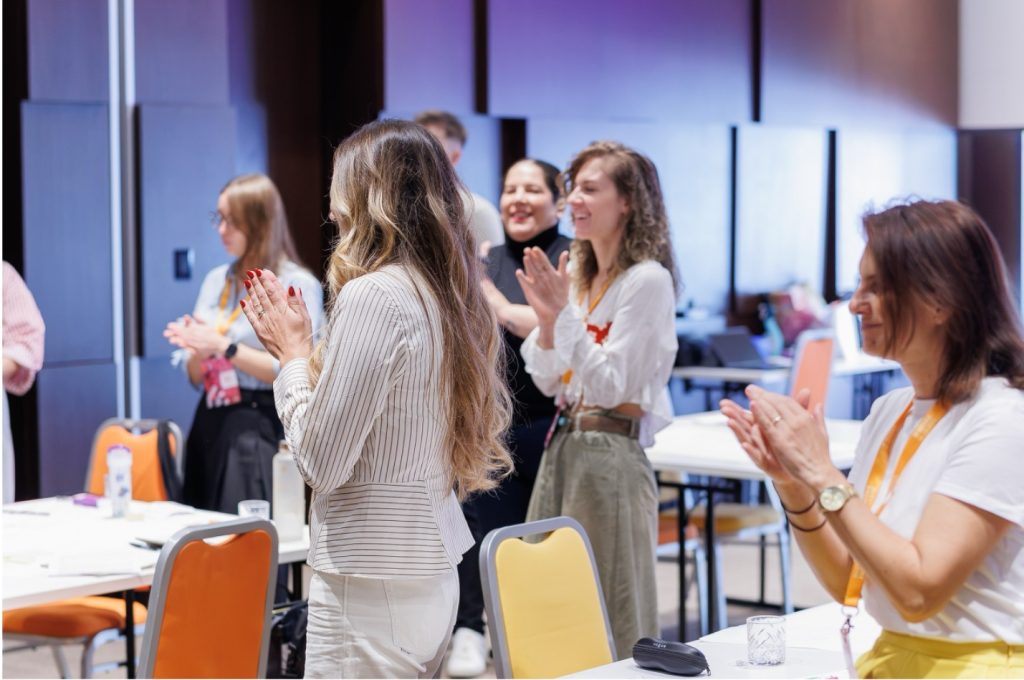
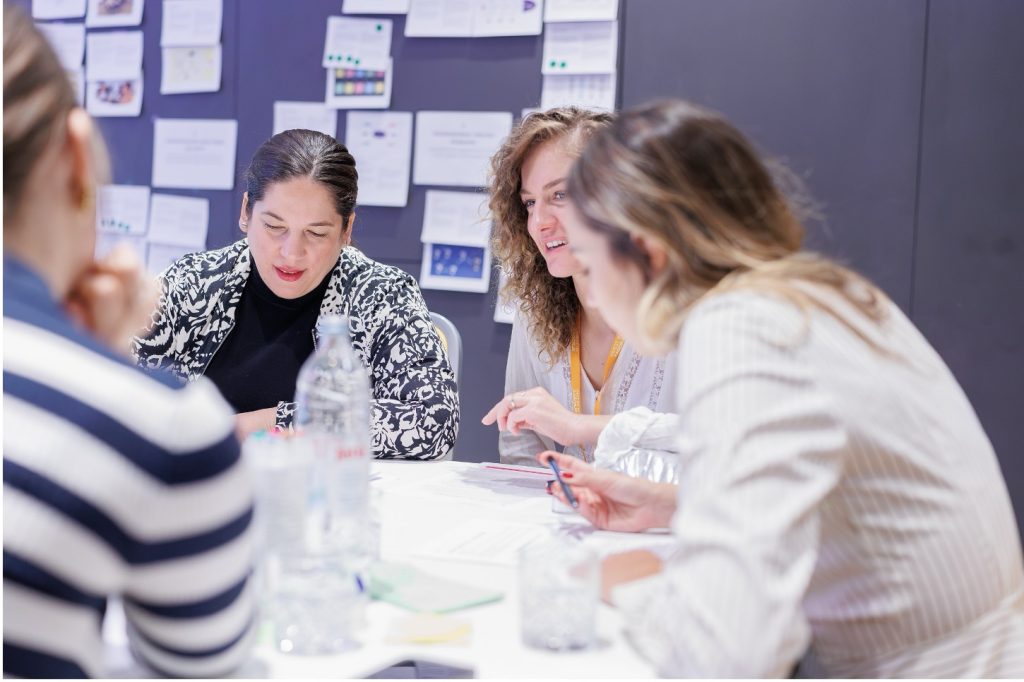
Beyond the training itself, what happened between the workshops and assignments during the five days in Tuheljske Toplice was just as important as the educational programme. Conversations during breaks, the exchange of professional and personal experiences, spontaneous mutual support, collaborative problem-solving, and, above all, plenty of genuine laughter demonstrated how important it is to create a space where women can learn from one another, speak openly, and build new connections and collaborations. Our participants come from different backgrounds, communities, and professional fields. It is precisely these differences that give the programme much of its potential.
Each woman brings her own knowledge, contacts, perspectives, and ideas, and bringing them together creates opportunities that extend far beyond five days spent together. Our ambition is for Women for Impact to be more than an educational programme. We want it to mark the beginning of a long-term network of women who will support one another, share opportunities and knowledge, and jointly develop initiatives at local, national, and European levels.
The first week of the second cycle has come to an end, but the participants’ work is only gaining momentum. New assignments, new questions, and new opportunities lie ahead as they begin turning everything they have learned into concrete proposals for action. For us, this week once again confirmed just how much can happen when we bring together women with diverse experiences, provide them with space, tools, and trust, and encourage them to explore what they can achieve together, all with the support of EIT Urban Mobility.
We are excited to see what comes next!