
Women for Impact: The First Week of the First Cycle
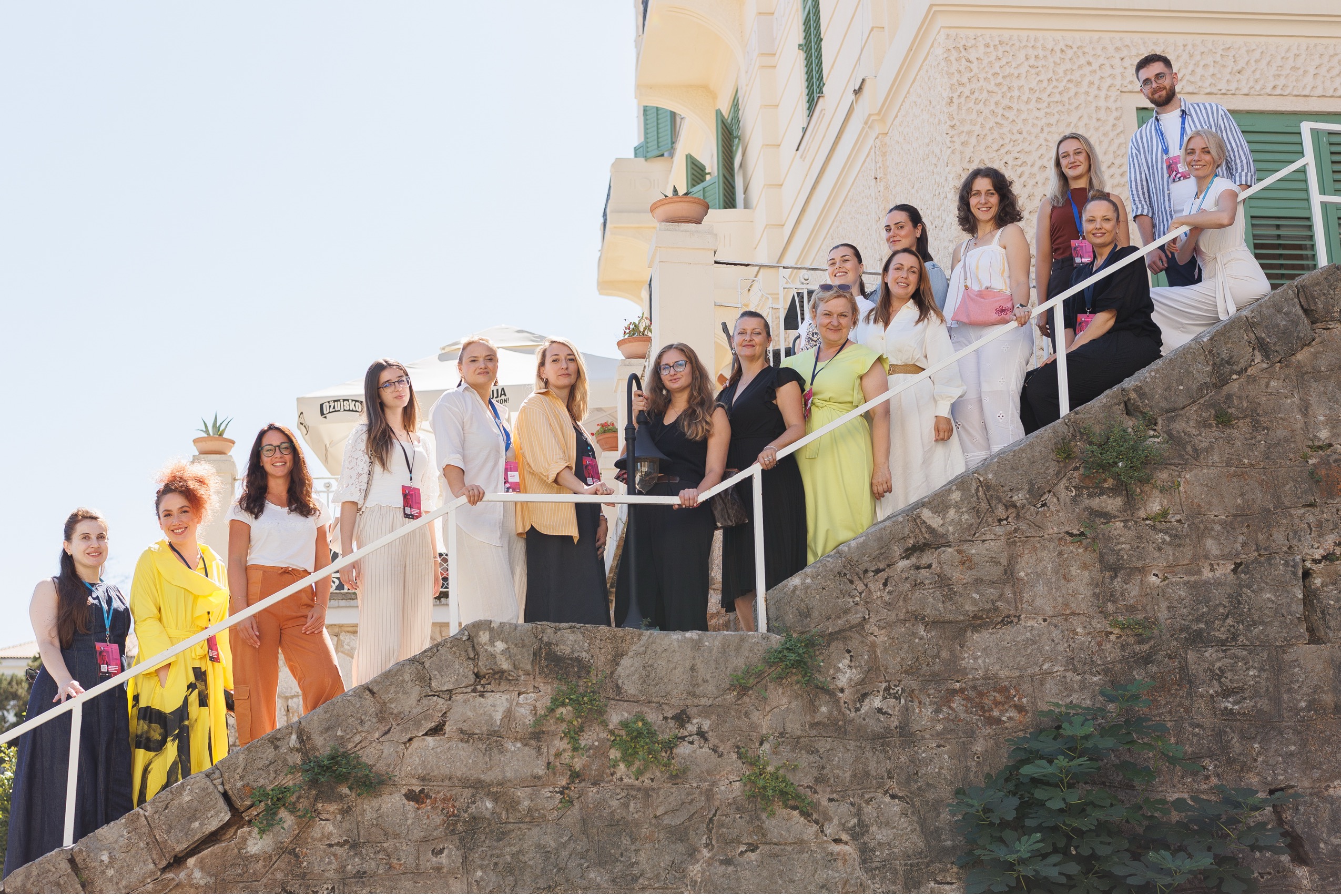
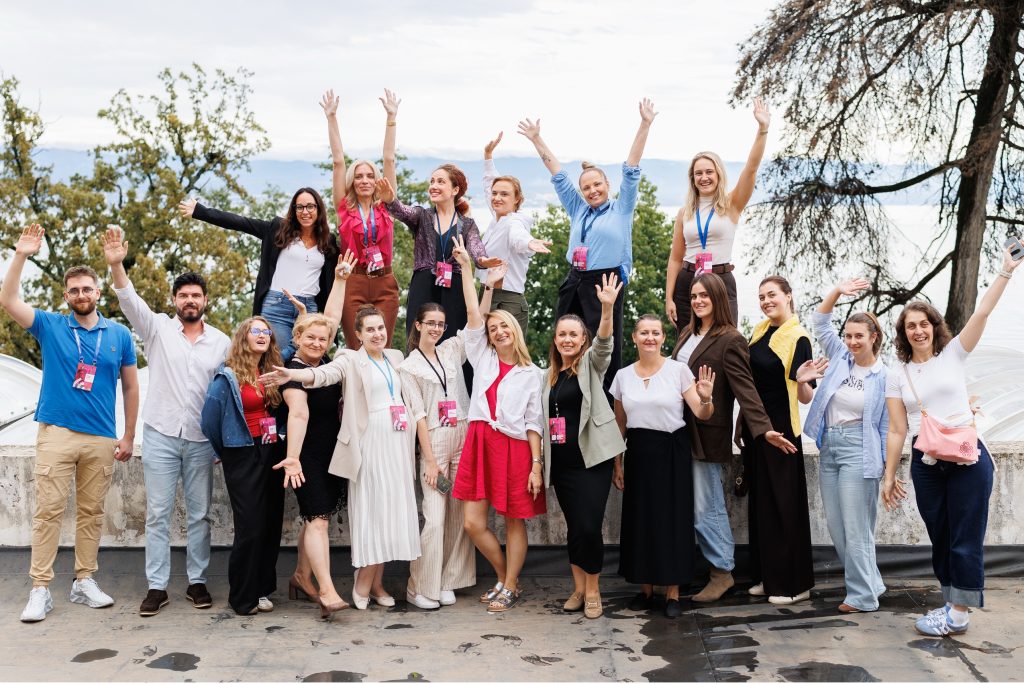
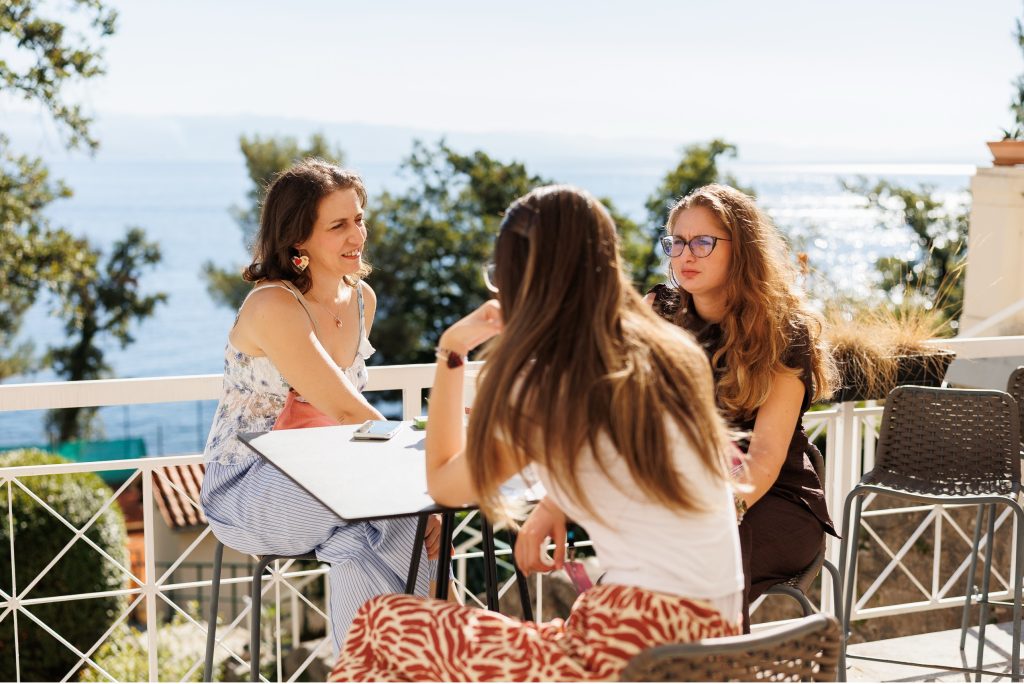
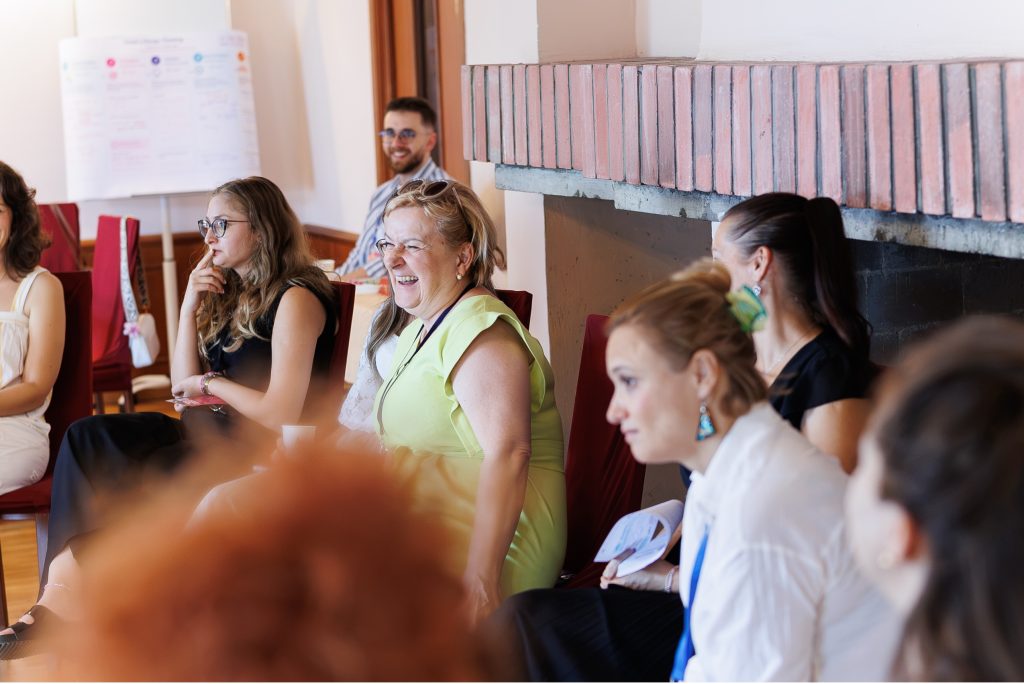
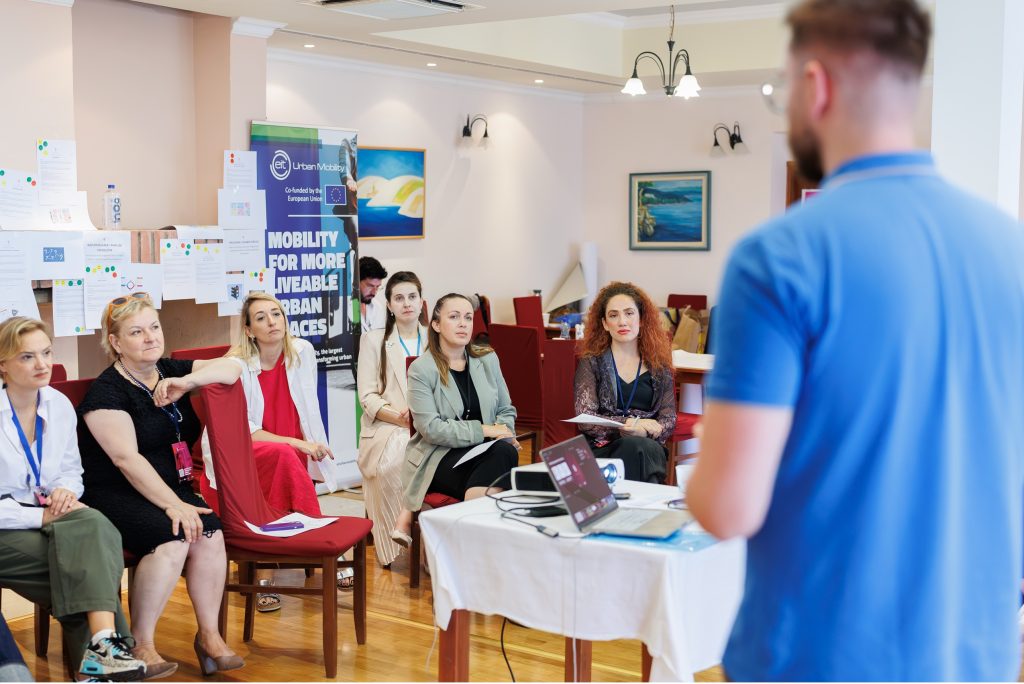
The first – and most intensive – week of the first cycle of the Women for Impact programme is now behind us. Held in Lovran, it brought together 15 women from Croatia, Bosnia and Herzegovina, and Slovenia. Coming from different age groups, educational backgrounds, professional fields and areas of interest, the participants spent five days learning together, exchanging experiences and developing skills that will help them recognise the challenges faced by women in their communities, and move from identifying a problem to taking concrete action.
Women for Impact is a three-week programme built around the idea that empowering women should go beyond developing personal and professional competencies. Its aim is to encourage women to observe their surroundings more carefully, recognise the social, spatial, environmental and economic challenges faced by other women, develop realistic solutions and mobilise others in their communities to help put those solutions into practice.
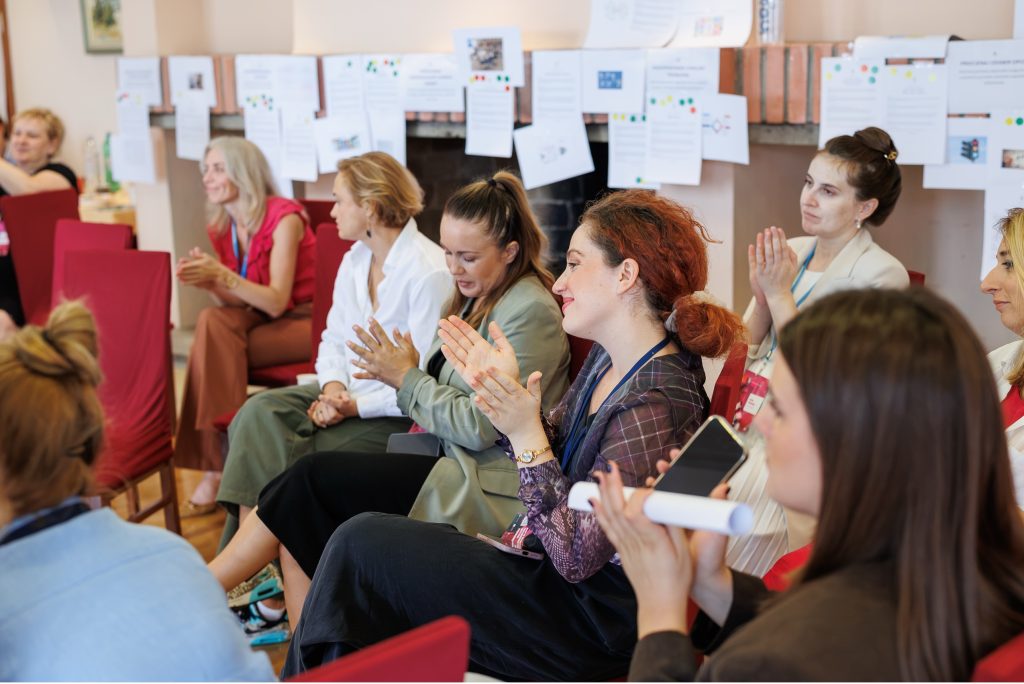
First, we learn to lead ourselves – then other
The first day of the programme was dedicated to leadership, starting from a simple idea: before we can effectively lead others, we first need to learn how to lead ourselves.
Through a series of exercises and workshops delivered in cooperation with our partner, psychotherapist Sonja Miočić, participants mapped their own strengths, learned how to give and receive support, explored communication and different aspects of leadership, and worked on building resilience to stress.
Getting to know one another was an equally important part of the first day. The diversity of the group – in terms of generations, educational backgrounds and professional experience – was not an obstacle, but one of the programme’s most valuable resources.
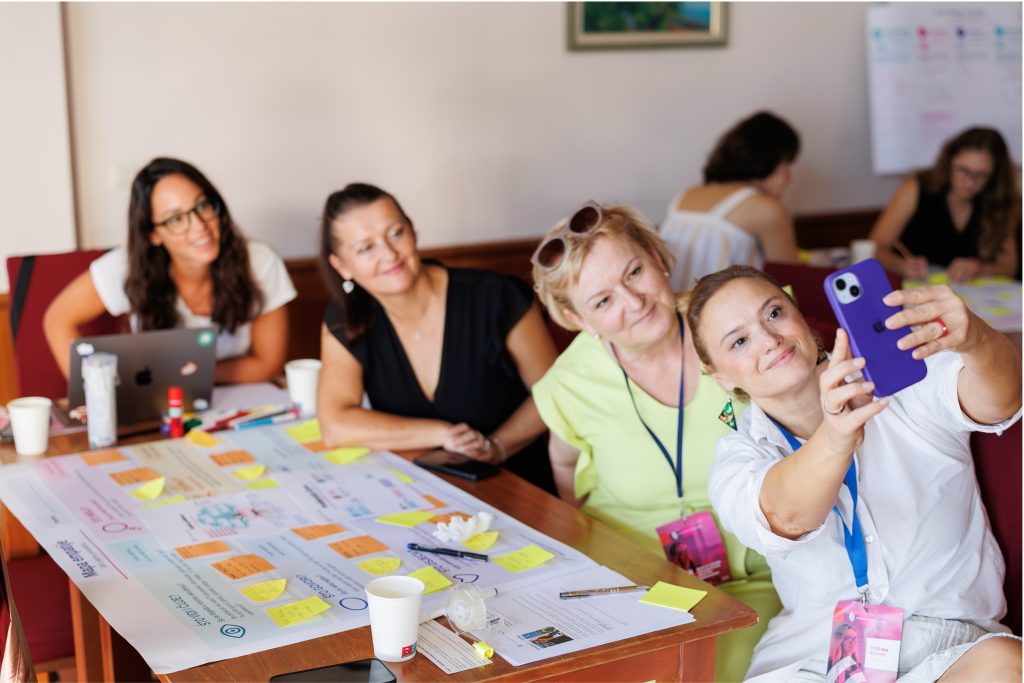
Before looking for a solution, we need to understand the problem
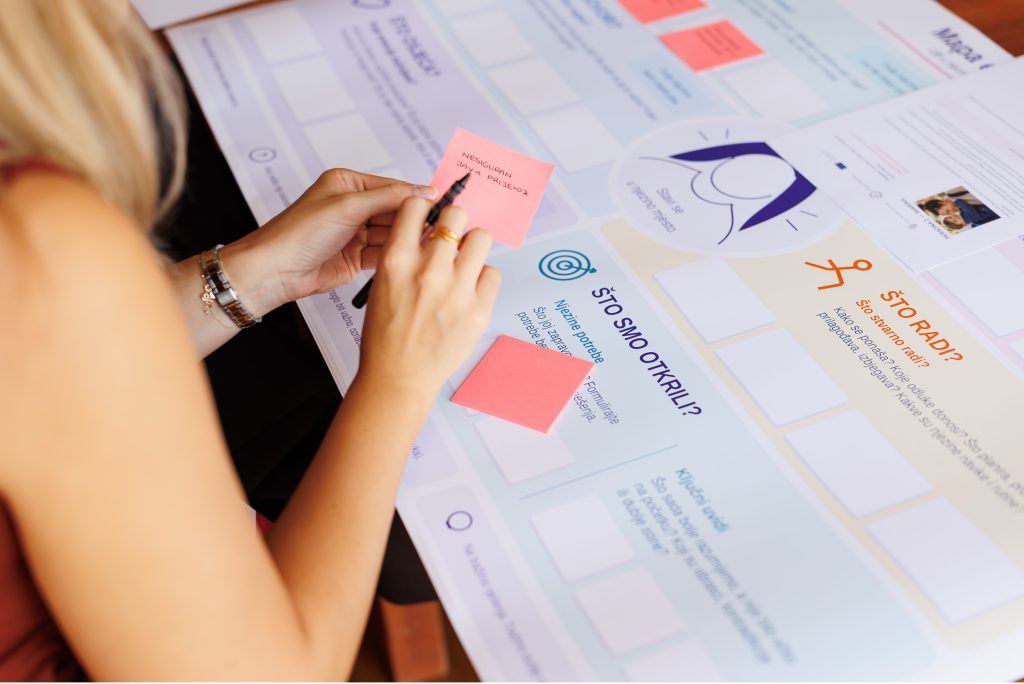
The second day focused on creativity and design thinking, guided by another important premise of the programme: before we start proposing solutions, we need to properly understand both the problem and the person experiencing it.
Participants were introduced to design thinking as a problem-solving methodology and explored its individual stages, from understanding users and defining the problem to generating and evaluating potential solutions.
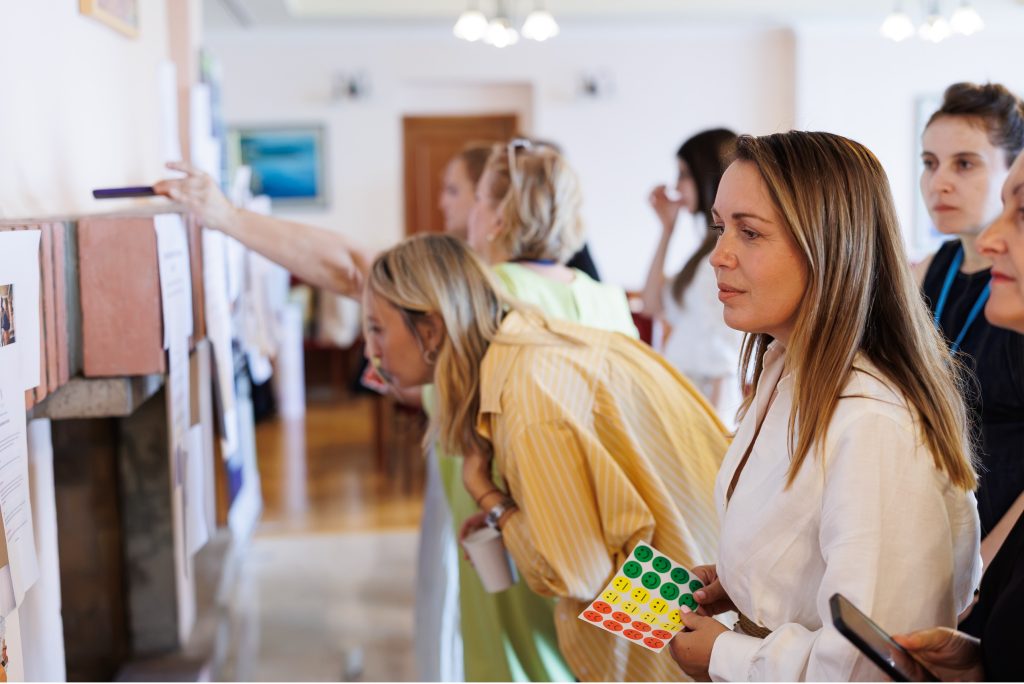
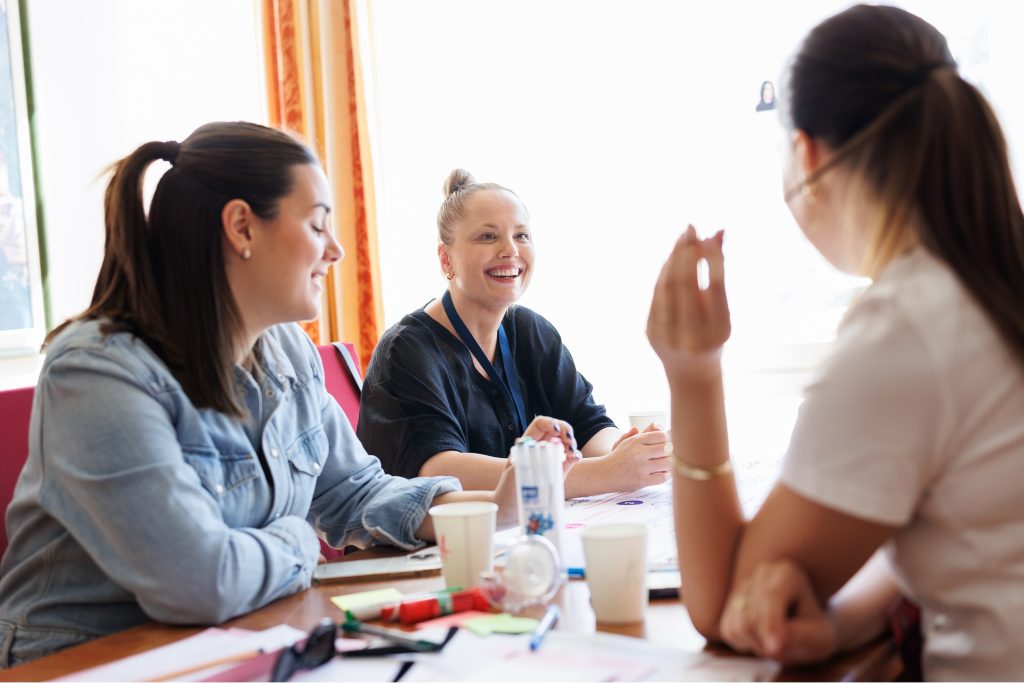
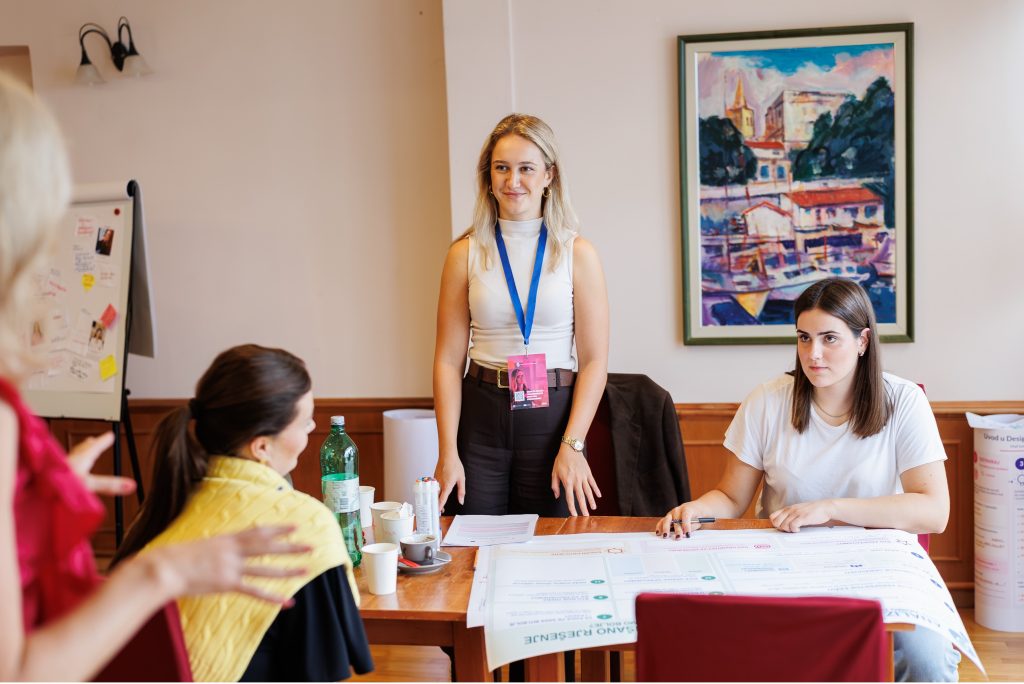
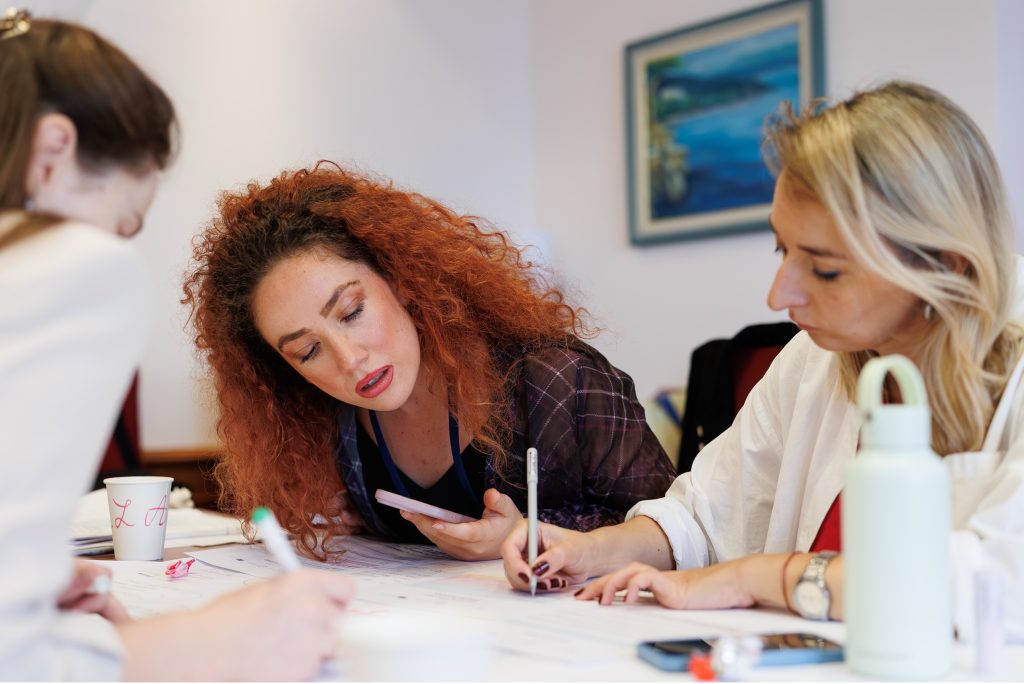
But creativity is not simply about having good ideas. For this reason, we also devoted considerable attention to creative collaboration tools that can be applied in education, business, community work and even everyday life. We explored ways to mobilise a group and encourage communication, identify the stakeholders who need to be involved, better understand a problem, generate ideas collaboratively, and systematically compare and evaluate different options.
A good idea needs to find its way to others
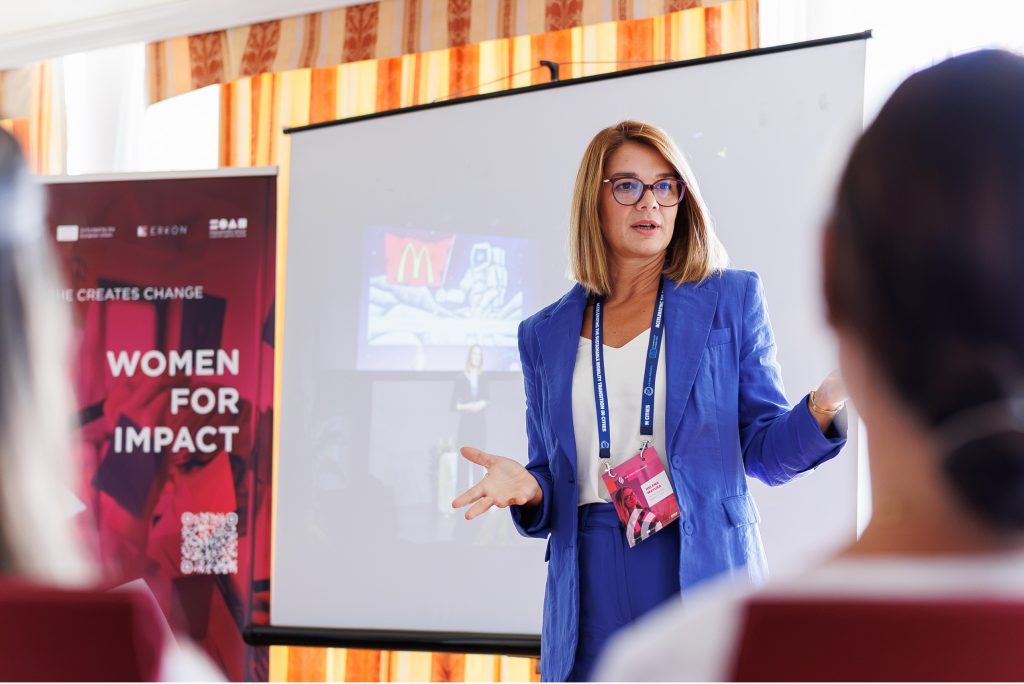
The third day focused on entrepreneurial thinking – not only in the sense of starting a business, but as the ability to turn an idea into something more concrete, adapt it to changing circumstances and risks, and inspire others to support it.
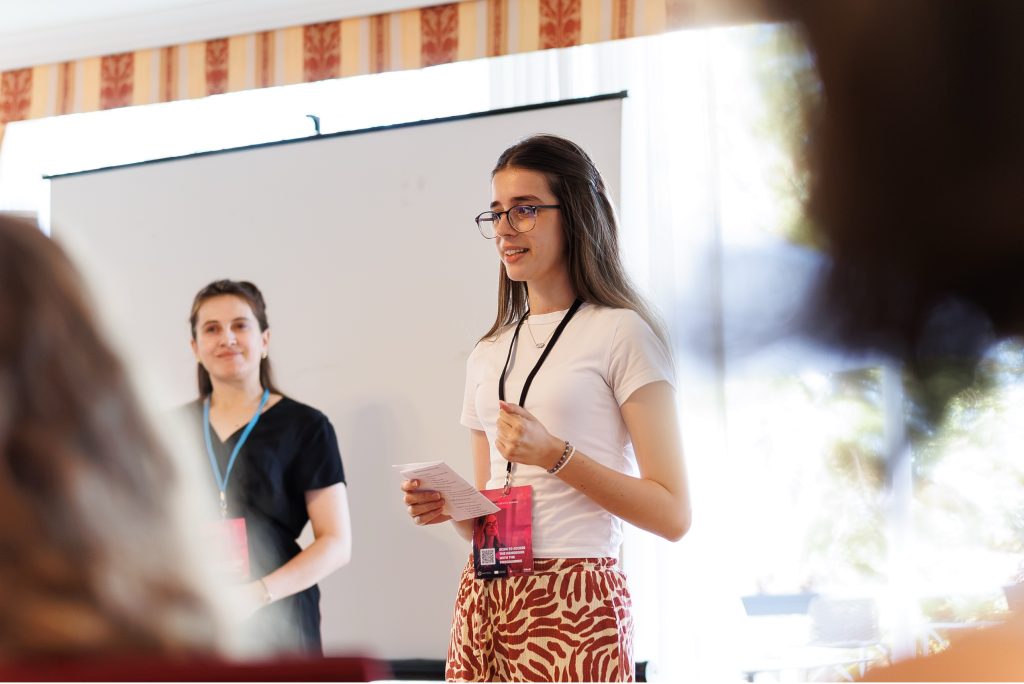
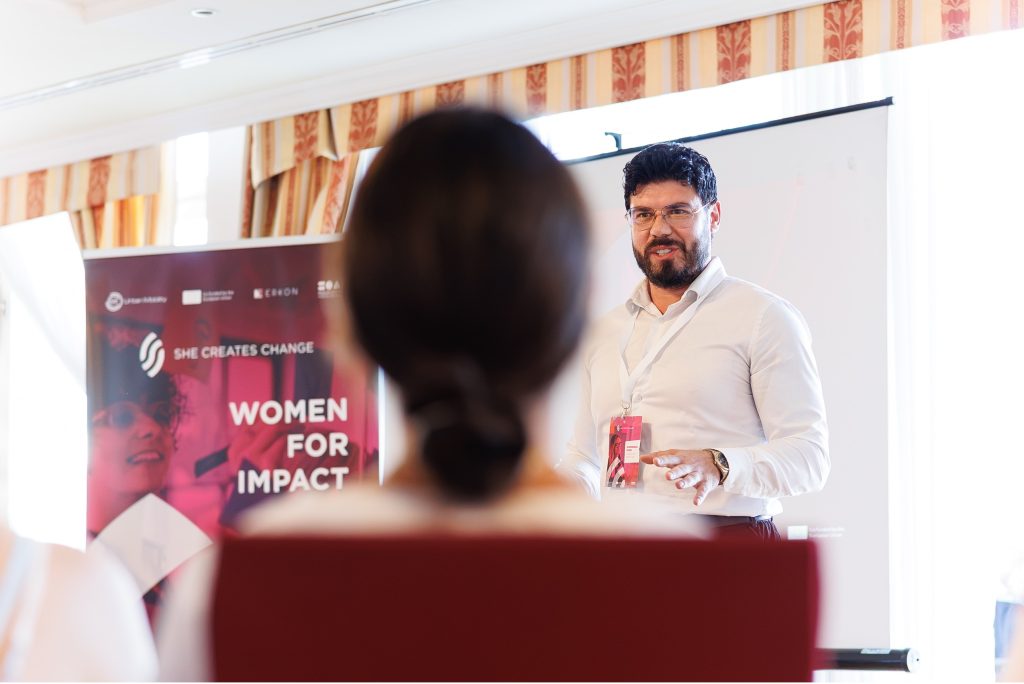
Alongside entrepreneurial thinking and practical exercises led by Aleksandar Piljek, particular attention was given to presentation skills, which proved to be one of the most popular parts of the programme. Helena Matuša from the Entrepreneurial Centre of Krapina-Zagorje County guided participants through topics ranging from body language and persuasive delivery to connecting with an audience through emotion, demonstrating why a presentation is not simply what appears on a slide – the presentation is, first and foremost, the person standing in front of the audience.
Sustainability is rarely black and white
Thursday was dedicated to sustainability, but not as an abstract concept or a simple division between “sustainable” and “unsustainable” solutions.
The key message of the day was precisely the opposite: solutions are rarely black and white. A solution that benefits one group may create a problem for another. A measure that delivers environmental benefits may come with an economic cost, while solving an economic problem may lead to unintended social consequences. Sustainability therefore requires us to look at problems from multiple perspectives, anticipate potential consequences, and seek a balance between different interests, benefits and possible negative impacts.
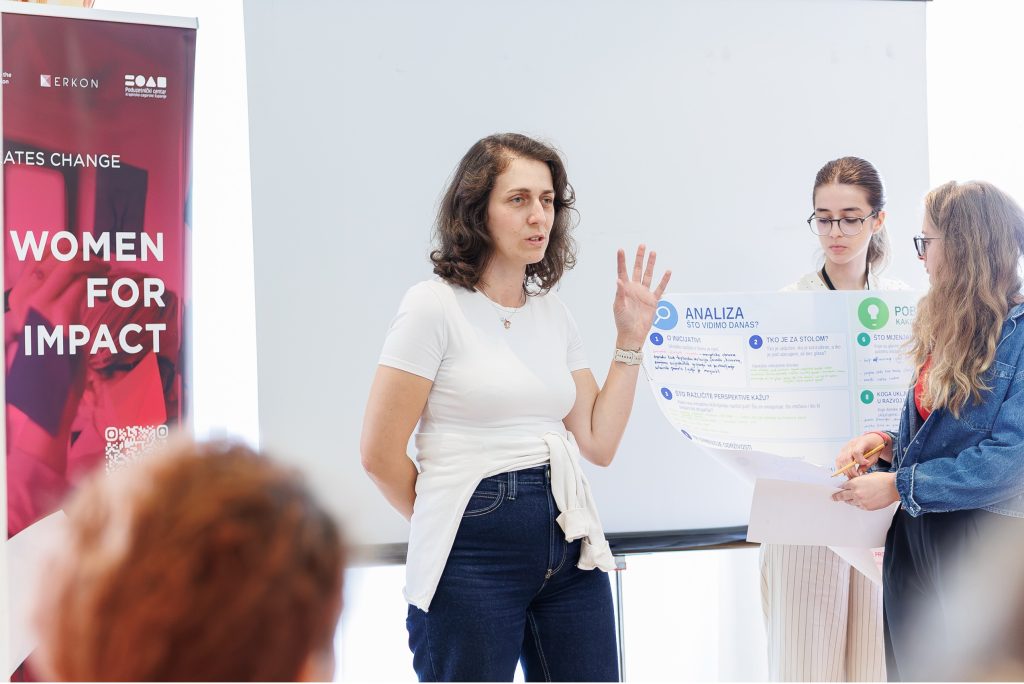
From learning to action
The final day in Lovran was dedicated to reflection and connecting everything we had learned. After four intensive thematic days, the question was no longer simply “What have we learned?” but rather “What can we do with it now?”
Leaving Lovran does not mean that the programme is over. During the second week, each participant will continue working individually, this time within her own local environment. Through an Observation Journal, participants will observe everyday situations and record the challenges faced by women around them. These may relate to mobility, access to services, economic opportunities, the environment, participation in decision-making, social connectedness, or entirely different aspects of everyday life. The goal is not to identify the biggest problem, but to learn to notice what often goes unnoticed and recognise where there is room for action. Based on their observations, participants will select problems they can realistically influence and develop small, concrete and feasible actions. During the third week of the programme, they will come together again – this time online and in teams – to transform their individual observations and ideas into structured action plans.
Most importantly, these plans will not remain merely a final programme assignment. Participants will implement them over the following six months, turning what they learned in Lovran into concrete activities within their communities.
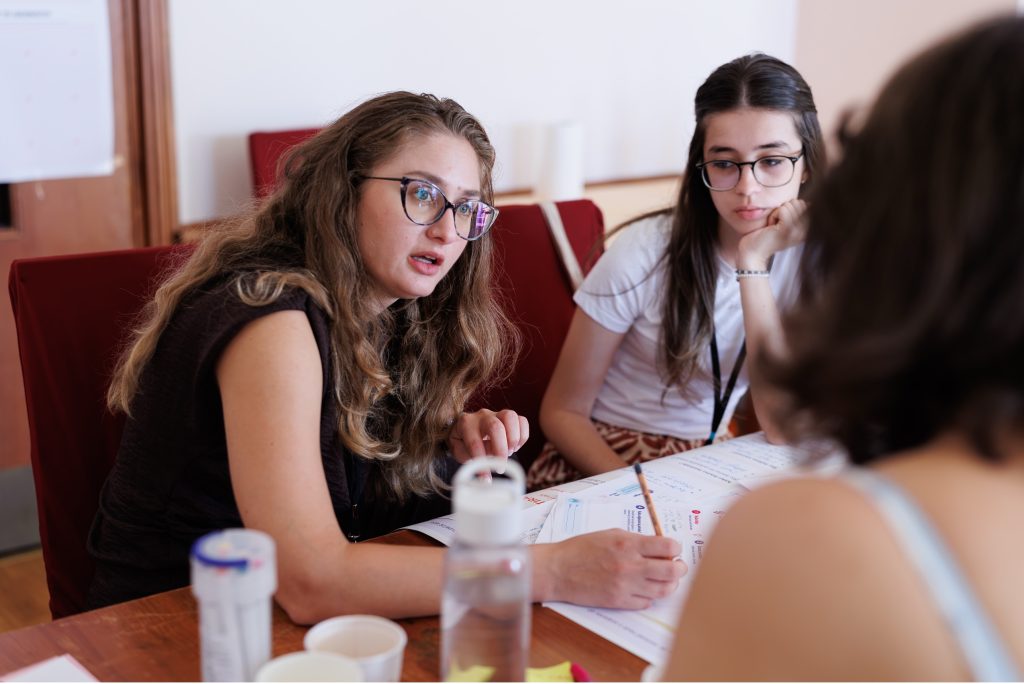
What did the first week look like from the other side?
The first week was also intensive for the ERKON team – Petra Grgasović, who designed the Women for Impact programme, and Neven Zenko, who participated in its preparation and implementation.
After months during which the programme existed in the form of concepts, modules, materials and planned activities, Lovran was the first real test of how everything we had designed would work when 15 women of different ages, experiences, educational backgrounds and life circumstances came together in the same room. For us, it was particularly important to see that participants recognised as one of the programme’s greatest values exactly what we had hoped for – connecting with one another, exchanging experiences and building relationships that can last well beyond the programme’s three weeks.
At the same time, we received very positive feedback on the programme content itself, together with concrete and constructive suggestions for how it could be further improved. This is extremely valuable to us because we do not consider Women for Impact a finished product. Even before the second cycle begins, we want to incorporate some of these suggestions and make the programme even better.
“I believe that Women for Impact is a well-designed learning programme that can offer a great deal to women of different ages and in different life situations, both personally and professionally. We were particularly pleased to see that our participants recognised this themselves after completing the first week of the programme,” said Petra Grgasović.
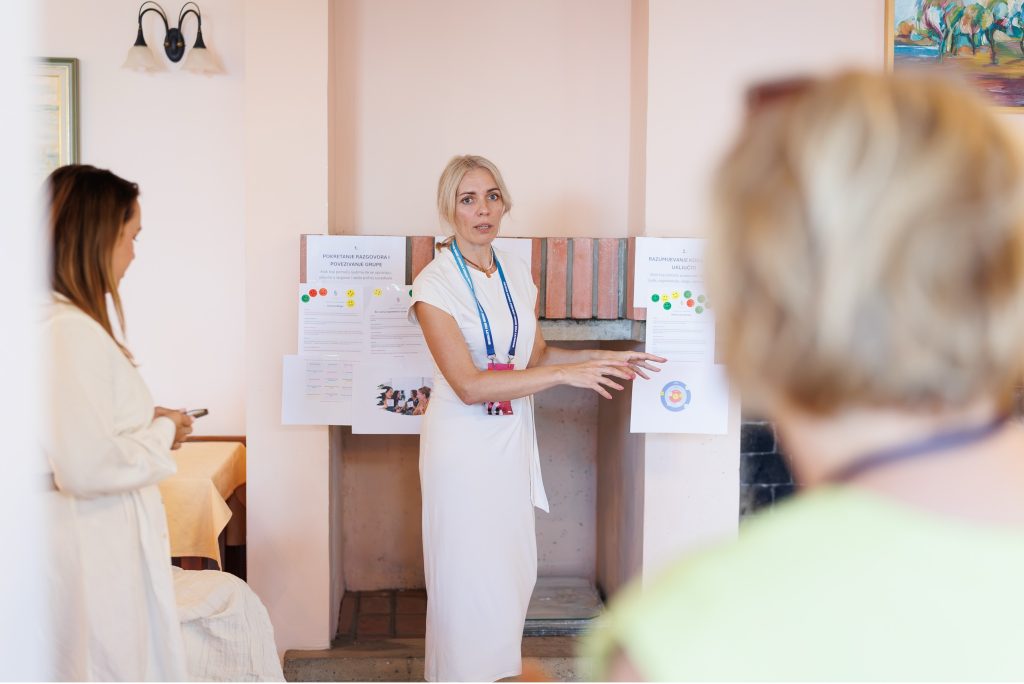
What comes next?
The first intensive week of Women for Impact may be over, but the process it started is only beginning to unfold. Once the first cycle is completed, the second will follow. It begins on 4 October in Tuheljske Toplice, where another 25 women will join the programme.
In this way, we continue to build a community of women whom we not only want to empower to recognise their own abilities and potential, but also equip with the knowledge, methods and tools they need to better understand the challenges around them, connect people and initiate positive change in the places where they live and work.
Women for Impact is implemented as part of the She Creates Change project, funded by EIT Urban Mobility. The project is currently planned to run until the end of this year, but the ERKON team’s ambitions do not end there.
We hope to continue the project next year, repeat its two existing programmes – Girls Code Camp and Women for Impact – and introduce a third programme that, we hope, you will be hearing more about soon.