
In 2026 ChargeUp 2.0 Concludes with Innovative Solutions and Valuable Lessons
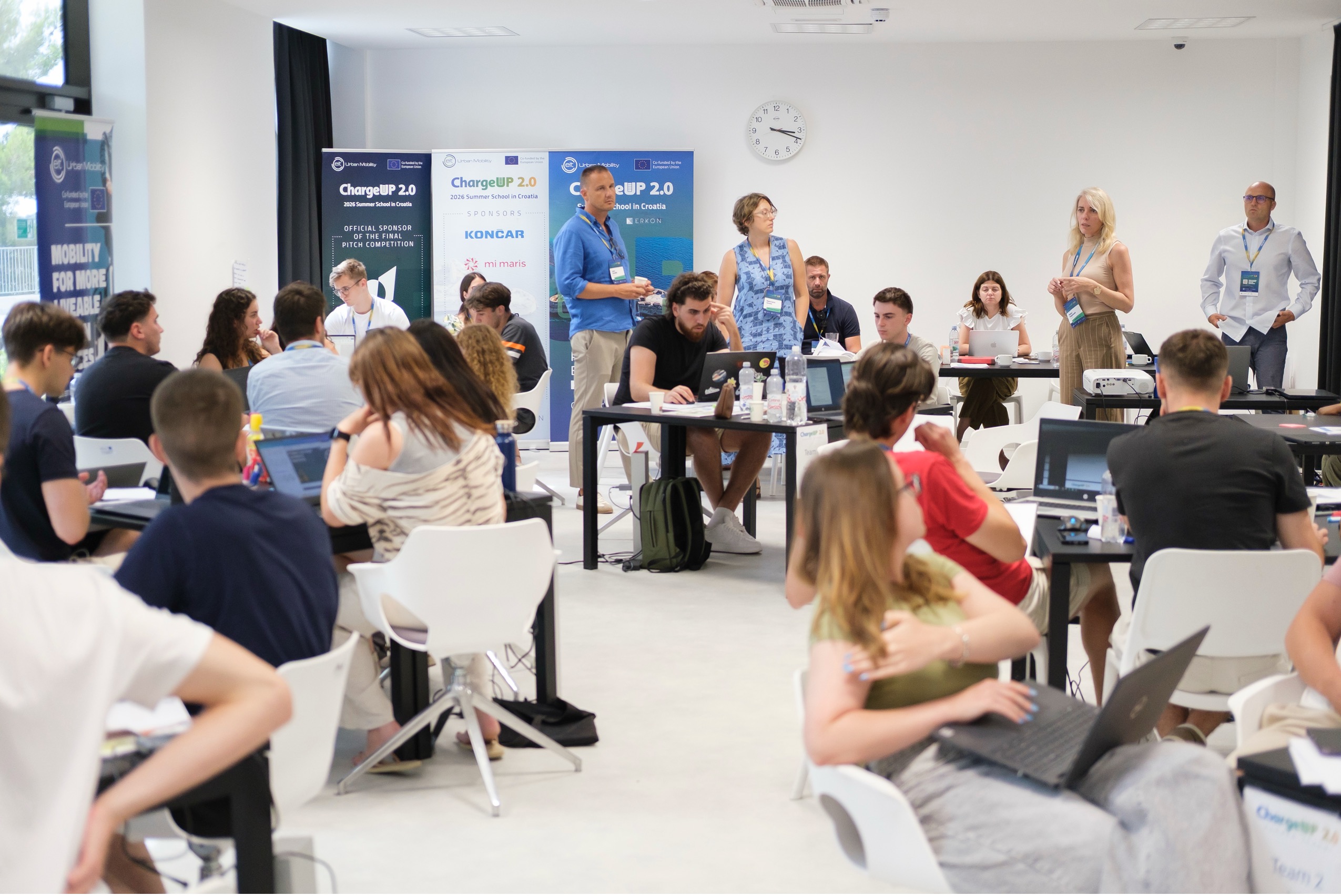
After seven intensive days of learning, collaboration and innovation in Šibenik, the ChargeUp 2.0 International Summer School 2026, powered by EIT Urban Mobility, has officially come to an end on July 24.
For everyone at ERKON involved in organising the programme, this year’s edition was not only an opportunity to support the development of a new generation of urban mobility professionals, but also a reminder that meaningful learning is always a two-way process.
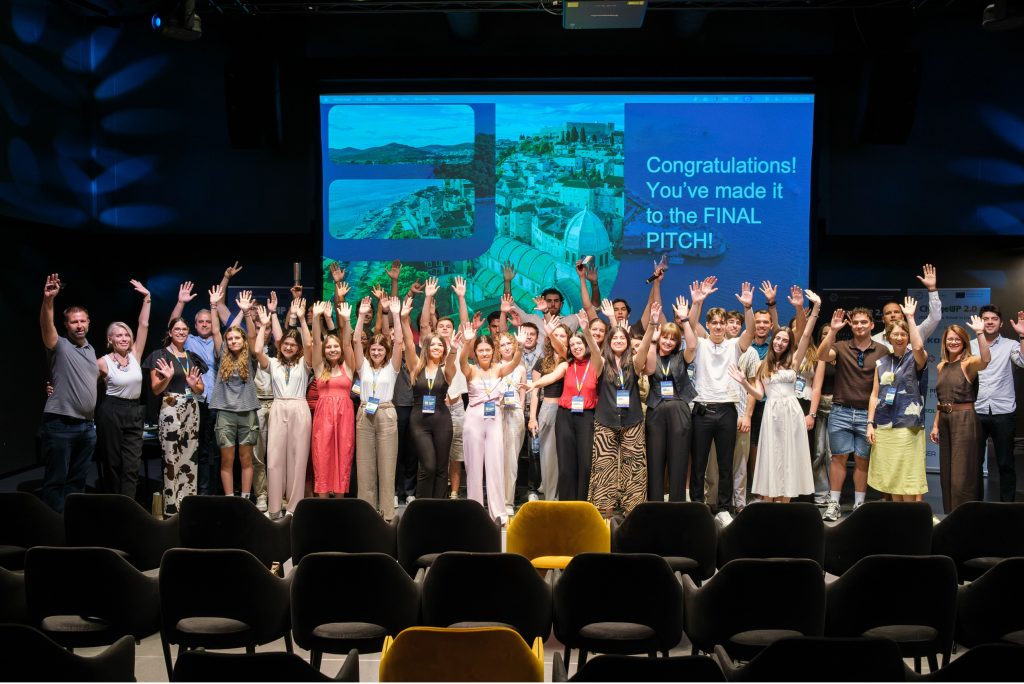
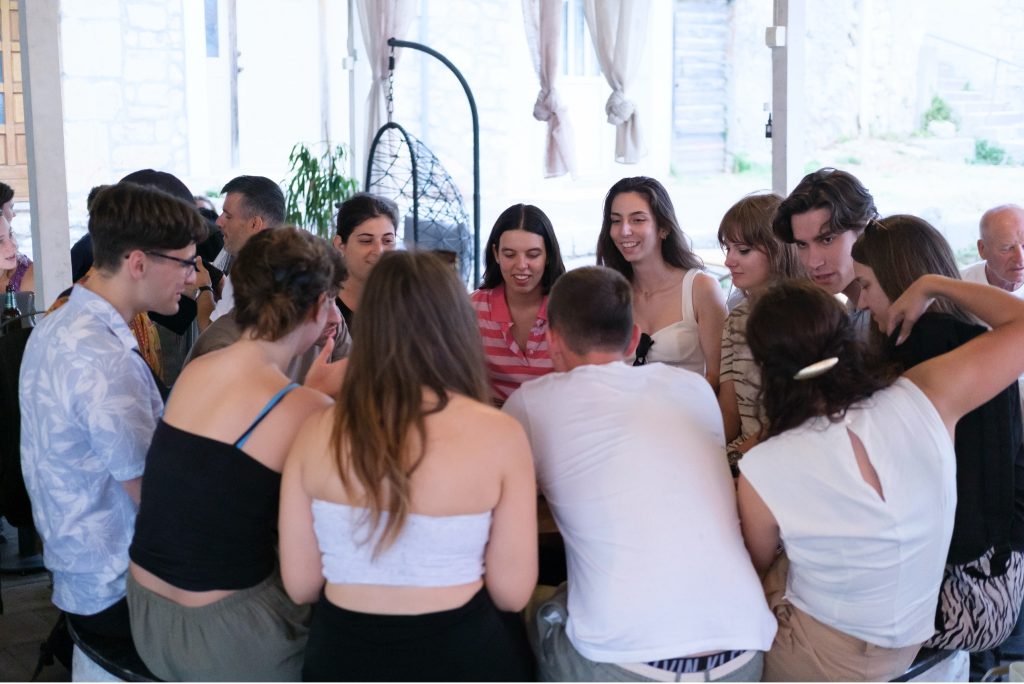
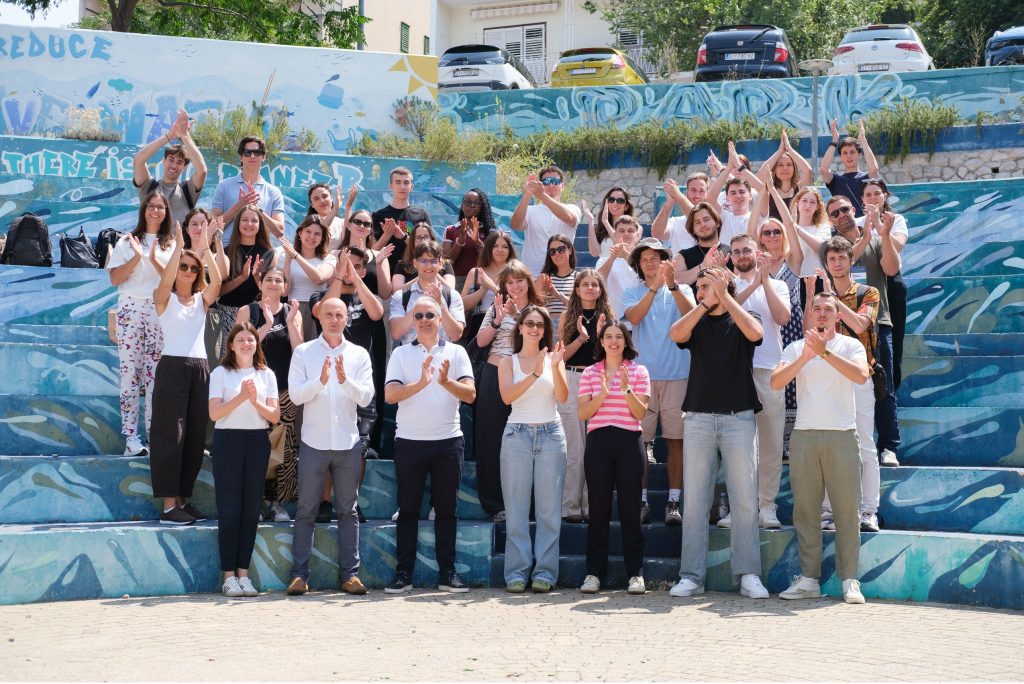
The programme brought together 32 participants from different European countries, cultures and academic backgrounds. They were placed into interdisciplinary teams with people they had never met before, shared accommodation with strangers and, within only a few days, were expected to work intensively together on complex urban mobility challenges.
Their task was far from simple. The teams had to explore real-world problems, understand the needs of users and clients, conduct market research, question their initial assumptions and develop innovative solution concepts with the potential to create meaningful impact.
On paper, it may have seemed almost impossible. Yet, over the course of the programme, something remarkable happened.
From Initial Ideas to Stronger Solutions
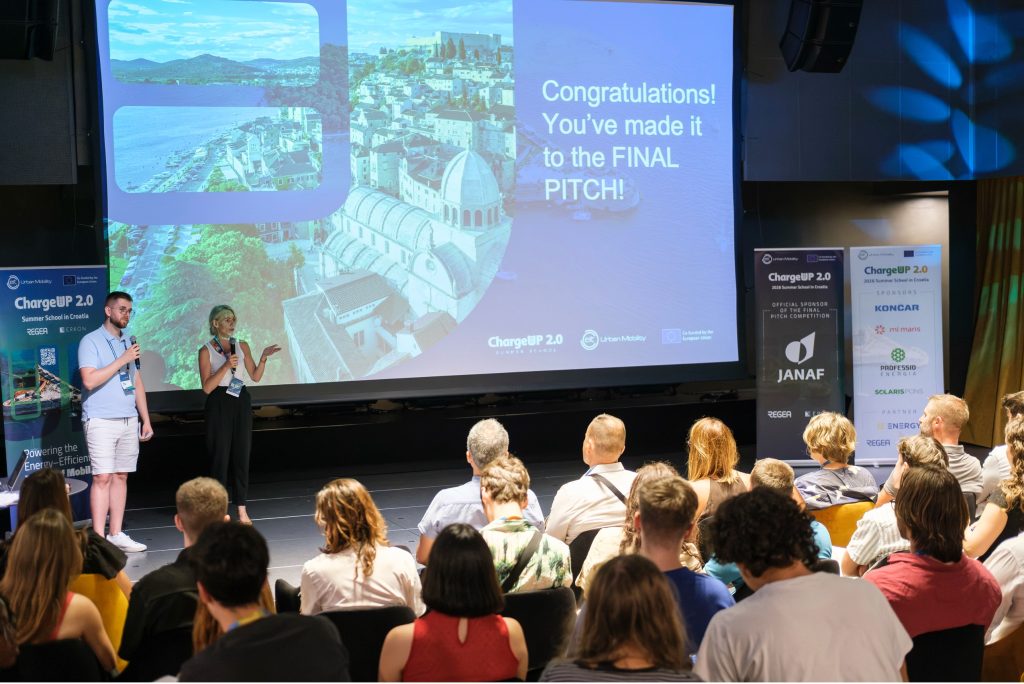
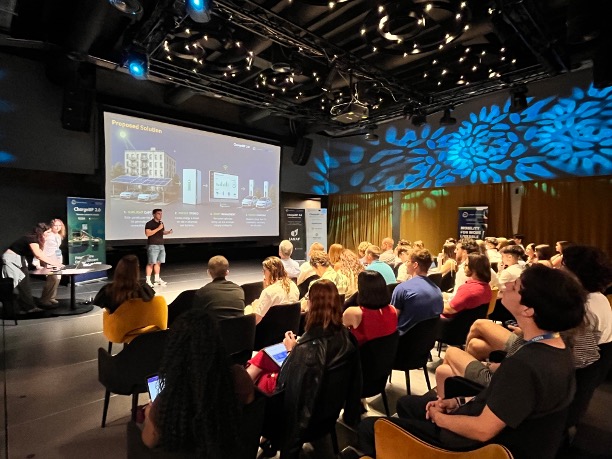
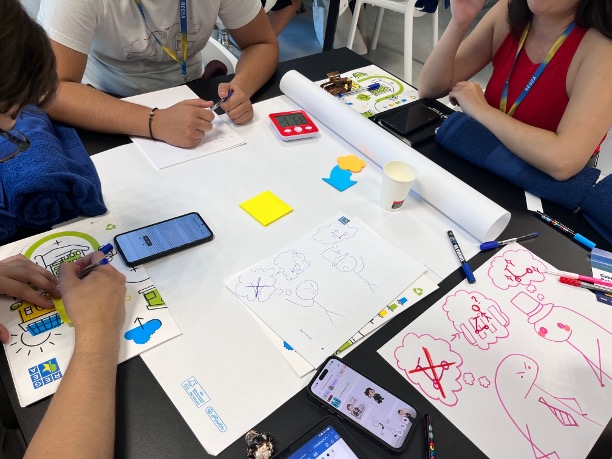
The final presentations were the visible result of a much deeper and often demanding development process.
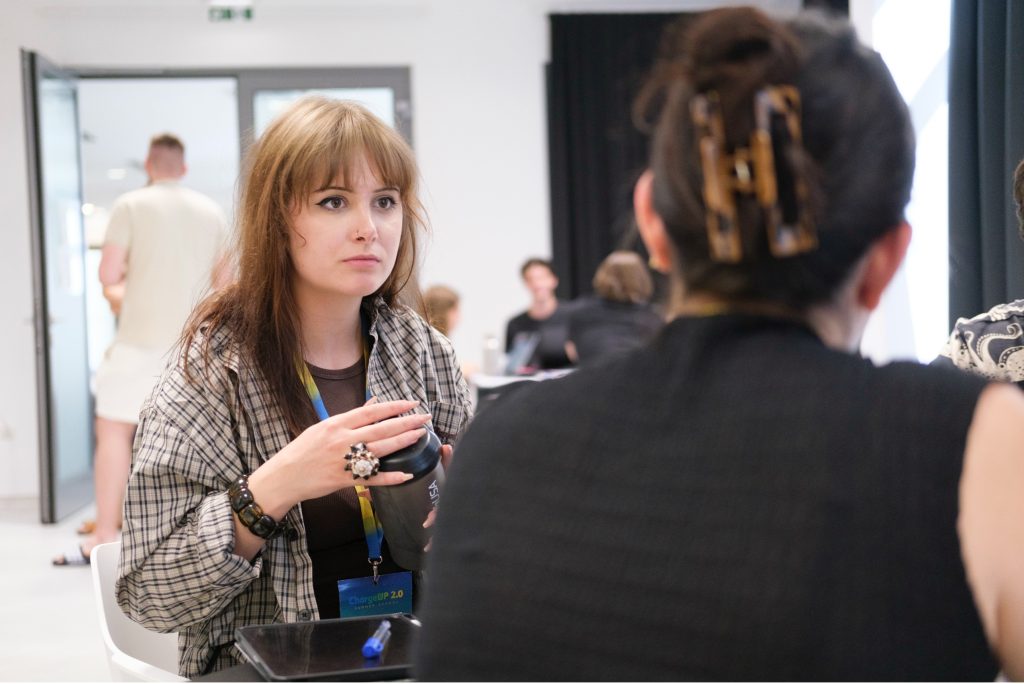
Throughout the week, participants worked closely with mentors, lecturers and industry experts who continuously challenged them to strengthen their ideas. The purpose of mentoring was not simply to confirm whether a concept sounded promising. Instead, teams were encouraged to question whether they had identified the right problem, whether they sufficiently understood the needs of their target users and clients, and whether their proposed solutions could realistically deliver value.
Much of the feedback focused on helping participants move beyond initial enthusiasm for a technology or idea and develop more complete, robust and credible innovation concepts. Teams were asked to clarify who their main client would be, distinguish between clients and end users, define the type and key functionalities of their solutions, examine competitors and clearly explain their competitive advantages. They also had to consider implementation barriers, technical and financial risks, required partnerships, scalability and the wider environmental and social impact of their concepts. In some cases, participants had to narrow the scope of their ideas. In others, they needed to reconsider important assumptions, redefine the problem or significantly adjust the direction of their work.
This process was intentionally demanding. Developing a strong solution often requires letting go of an initial idea, accepting uncertainty and being willing to rebuild parts of a concept based on new evidence and perspectives. Constructive feedback therefore became one of the most important learning tools of the programme.
The participants embraced that challenge exceptionally well. They listened, asked difficult questions, challenged one another and were equally willing to challenge the organisers and experts working with them. They observed carefully, adapted quickly and showed a genuine interest in understanding problems before rushing towards solutions. By the end of the week, they were no longer groups of strangers. They had become real teams, capable of presenting concepts that exceeded our expectations.
Expertise Behind the Learning Process
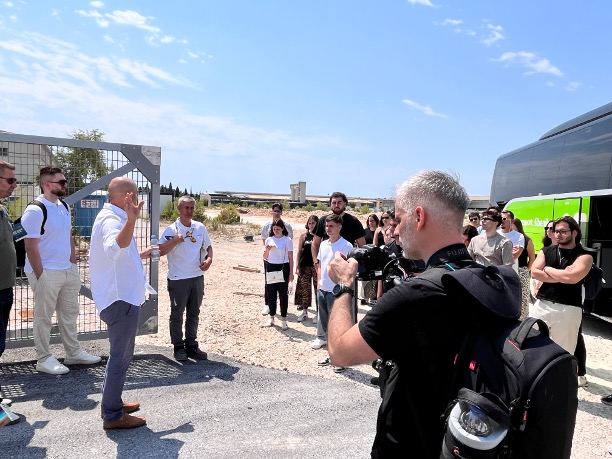
The quality of the learning experience was made possible by an outstanding group of mentors, lecturers and jury members who generously shared their time, knowledge and professional experience throughout the programme.
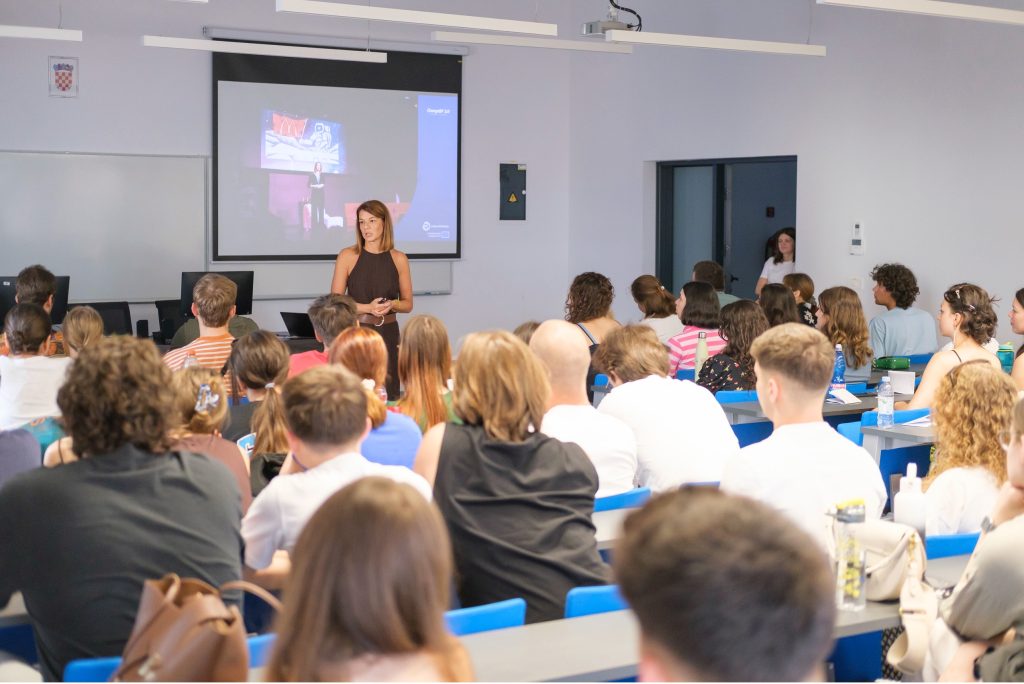
Their diverse expertise introduced participants to different aspects of sustainable mobility, energy, entrepreneurship, innovation, public transport, technology, business development and solution implementation. Through lectures, workshops, mentoring sessions and the final evaluation process, they helped participants recognise the weaknesses in their concepts, identify opportunities for improvement and transform promising ideas into stronger and more realistic solutions.
ERKON extends its sincere gratitude to Tina Jakaša, Dino Novosel, Marko Stojaković, Helena Matuša, Mirna Gržanić Antić, Ivan Kundid, Adrian Onorato, Dorotea Filipović, Martin Kralj, Dragan Palla, Mario Klarić and Katarzyna Janusz for sharing their experience and knowledge as mentors, lecturers and jury members. Their openness, commitment and willingness to provide honest and constructive feedback made a significant contribution to the development of both the participants and their solutions.
A Programme Built Through Partnership
Moving beyond the core partnership between REGEA and ERKON, ChargeUp 2.0 was made possible through the support of organisations that recognised the importance of investing in young professionals, innovative thinking and more sustainable mobility systems.
We sincerely thank JANAF Plc, KONČAR Group, MI MARIS d.o.o., PROFESSIO ENERGIA PLC, Solaris Pons d.o.o. and IE-ENERGY d.o.o. for being ChargeUp 2.0 sponsors and partners. Their support contributed to creating a programme in which participants could learn from real-world experience, engage with professionals from different sectors and explore solutions connected to current mobility and energy challenges.
The involvement of industry and institutional partners also helped bridge the gap between education and practice. It allowed participants to better understand that successful innovation does not depend only on a good idea, but also on collaboration, implementation capacity, market understanding and the willingness of different actors to work towards a shared goal.

What the Participants Taught Us
This was not the first summer school organised by the ERKON team. However, this year more than ever before, we felt that the learning process was genuinely reciprocal.
Public discussions often focus on generational divides and on claims that younger generations are less engaged, less resilient or less willing to contribute to solving society’s challenges. Our experience during ChargeUp 2.0 told a very different story. The participants demonstrated commitment, professionalism and a strong sense of responsibility. They showed that environmental sustainability genuinely matters to them. They were open to different cultures, disciplines and perspectives, and they displayed resilience when their ideas were questioned or when the work became more demanding. They reminded us that collaboration across cultures is not only possible, but can feel entirely natural when people are united by a common purpose.
They also showed us that feedback is a gift. Not all the feedback we received about the programme was positive, and we are genuinely grateful for that. We trust the participants’ judgement. Their observations, comments and suggestions will help us improve future editions of the summer school and create an even more valuable experience for those who participate next.
As organisers, we designed the structure and methodology of the programme, but the participants shaped its atmosphere, energy and spirit. We cannot remember being prouder to work with a group of young people than we were during this edition of ChargeUp 2.0.
To all ChargeUp 2.0 participants: thank you for your energy, curiosity, commitment, openness and trust.
Looking forward to ChargeUp 2.0 in 2027!